0%

Selecting the right Neurosurgical micro forceps is a matter of control, not just price. In delicate cranial procedures, a few millimeters can separate stable tissue handling from unwanted movement. Jaw alignment, tip profile, grip texture, shaft length, and balance all affect how an instrument feels under magnification. Yet “best” depends on the procedure, the surgeon’s technique, and the operating team’s workflow. There is no universal winner.

The Lancet Commission on Global Surgery estimated that about five billion people lack access to safe, affordable surgical and anesthesia care. That figure describes a broad access challenge, not demand for any particular instrument. Grand View Research’s Surgical Instruments Market analysis offers wider market context, but its category-level estimates do not prove that one micro-forceps design performs better clinically. This distinction matters. A sales ranking is not clinical evidence. Buyers should review manufacturer specifications, validated cleaning instructions, material details, and applicable quality documentation, then assess samples with the intended surgical team. Look closely at tip closure and handling under magnification. Small differences matter. Published product claims can also leave practical questions unanswered, including long-term wear and consistency between units. A careful comparison should acknowledge those gaps rather than promise a perfect choice.
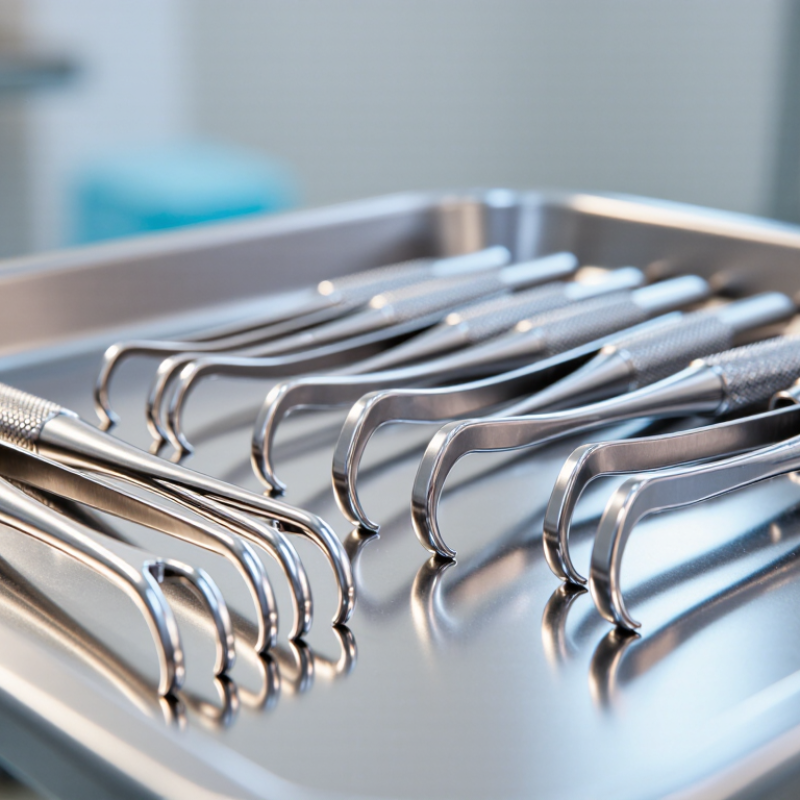
2026 Best Neurosurgical Micro Forceps for Sale?

What Neurosurgical Micro Forceps Are and How They Are Used

Neurosurgical micro forceps are precision instruments designed to grasp, steady, or gently manipulate delicate tissue and fine materials under magnification. Their narrow shafts and small tips help surgeons work within confined spaces. Tip shapes vary: some are smooth, while others have fine teeth for a more secure hold. The choice depends on the tissue, task, and surgeon’s technique. Small movements matter.

During a procedure, a surgeon may use micro forceps to handle delicate tissue, guide a fine suture, or stabilize a structure while another instrument works nearby. They are controlled with light pressure; excessive force can cause injury. Balance, handle tension, and clear visibility all affect control. A tool that looks suitable on a tray may feel awkward through gloves, so fit deserves attention. That detail is easy to underestimate.

Tips: Check that the tips meet evenly under magnification and open smoothly without sticking. Consider shaft length, tip profile, and grip comfort for the intended procedure. Follow facility protocols for cleaning, sterilization, inspection, and maintenance. If alignment seems imperfect, pause and have the instrument assessed rather than compensating with more pressure. The judgment is not always obvious.

2026 Best Neurosurgical Micro Forceps for Sale? — What Neurosurgical Micro Forceps Are and How They Are Used

Illustrative tip-width conversions

Micro forceps are precision instruments used to grasp or manipulate delicate tissue during neurosurgical procedures. Tip design and width vary by instrument; the values shown are examples for unit conversion, not standard specifications or recommendations. Selection depends on the procedure, target tissue, and surgeon preference.

Main Types and Designs of Neurosurgical Micro Forceps

2026 Best Neurosurgical Micro Forceps for Sale?

Main Types and Designs of Neurosurgical Micro Forceps

Neurosurgical micro forceps vary in shape, tip pattern, and handling feel. Straight models provide a direct line of sight in accessible areas. Bayonet designs offset the hand from the working tip, helping reduce visual obstruction under a microscope. Angled versions can reach around tissue edges, though their orientation may take practice.

Tip design matters. Smooth, atraumatic jaws are intended for delicate handling, while fine teeth can provide a firmer grip on selected tissue. Cup-shaped tips are used for grasping or sampling small tissue pieces. Tiny details count. Jaw alignment, closing pressure, and tip finish can affect control. A useful inspection includes checking that the jaws meet evenly and move without catching.

Shaft length and handle tension also shape usability. Longer shafts may help reach narrow operative fields, but can feel less steady in some hands. Spring handles allow repeated, controlled opening and closing; the right resistance is personal, not universal. Materials and construction should support reliable cleaning and sterilization according to the facility’s validated process. There is no single ideal pattern for every task. Even experienced teams may need to reassess their preference after seeing how a forceps performs in the actual setup.

Materials, Tips, and Features That Affect Surgical Precision

Neurosurgical micro forceps demand more than a delicate-looking tip. Under magnification, a slight mismatch between the jaws can shift tissue instead of holding it. Check tip alignment, closure, and lateral play before use. Small details matter.

Material affects balance and durability. Stainless steel is widely used for its strength and familiar handling; titanium can reduce weight and is nonmagnetic, but alloy and heat treatment affect wear resistance. ISO 7153-1:2016 specifies metallic materials used in surgical instruments, though it does not rank forceps or prescribe one ideal alloy. Tip geometry matters just as much: fine, smooth jaws suit delicate handling, while serrations may improve grip but can mark fragile tissue. A curved tip improves access around a narrow field; a straight tip can offer a clearer line of approach. Neither is universally better.

Look for a spring that opens smoothly and closes without a sudden snap. WHO’s 2024 Global Patient Safety Report estimates that about one in ten patients experiences harm in healthcare; this broad figure is not specific to instruments, but it reinforces the value of reliable equipment and careful handling. Reprocessing also deserves attention: inspect joints and tips for residue, corrosion, or deformation after cleaning. A practical point is easy to overlook: lighter forceps may feel steadier during long procedures, yet some users prefer more weight for tactile feedback. Test the feel with gloved hands, if possible.

How to Evaluate Micro Forceps for Neurosurgical Procedures

Selecting neurosurgical micro forceps for sale calls for more than comparing prices or tip dimensions. Match the instrument to the intended procedure, tissue, and working angle. Under magnification, inspect whether the tips meet evenly, without visible gaps or crossing. Small defects matter. A slight mismatch may make delicate handling less predictable.

Assess the grip with gloved hands and in a position similar to the operating setup. The forceps should open smoothly and return without excessive spring tension. Check whether the handle supports controlled movement without forcing the wrist into an awkward angle. A lighter instrument is not automatically better; balance and control matter more. This can be difficult to judge from photographs alone.

Review the material, finish, and manufacturer’s instructions for cleaning and sterilization compatibility. Confirm that the instrument suits your facility’s validated reprocessing practices, and ask about inspection and repair options. If possible, evaluate samples under magnification before purchasing. Record practical observations, such as tip alignment after repeated handling. One assessment may not reveal everything, and personal preference can cloud judgment; involve experienced clinicians and sterile-processing staff in the evaluation.

Where to Find Neurosurgical Micro Forceps for Sale in 2026

In 2026, neurosurgical micro forceps are best sourced through established surgical-instrument suppliers, specialist medical distributors, or a hospital’s approved purchasing network. These channels can usually provide product specifications, traceability documents, and details about service or repair. Ask whether the instrument is reusable or single-use, and confirm its intended clinical application before ordering. Small details matter. Compare tip shape, working length, jaw alignment, and spring tension against the surgeon’s preference and the procedure setup. A product photo alone cannot show how the forceps feel in a gloved hand.

Before purchase, request written information on materials, cleaning instructions, inspection criteria, and any applicable quality or regulatory documentation for your region. Check that the seller can identify the instrument’s origin and provide a clear return process for damaged or mismatched items. Ask for records. If evaluating an unfamiliar supplier, request a sample for qualified staff to assess through the facility’s normal review process. I would still double-check the fine print; specifications can be incomplete, and a low price is not proof of suitability. Confirm availability, delivery timing, and replacement options with the supplier, then follow your institution’s procurement and clinical approval procedures.

FAQS

What are neurosurgical micro forceps used for?

They grasp, steady, or gently move delicate tissue and fine materials under magnification. Small movements matter.

How do surgeons use micro forceps during procedures?

They may guide a fine suture or stabilize tissue while another instrument works nearby. Light pressure helps limit injury.

How should I check the tips before use?

Inspect them under magnification. They should meet evenly, without gaps or crossing, and open smoothly without sticking.

What features should be considered when selecting micro forceps?

Match the tip shape, shaft length, working angle, and grip to the procedure. Balance matters more than weight alone.

How can I assess handle comfort and control?

Try the forceps with gloved hands in a position similar to the operating setup. Awkward wrist angles can affect control.

What should I check about cleaning and sterilization?

Review the instrument’s instructions and confirm compatibility with your facility’s validated reprocessing practices. Do not guess.

Where can facilities source micro forceps in 2026?

Consider established surgical-instrument suppliers, specialist medical distributors, or an approved hospital purchasing network. Ask for specifications and traceability documents.

What information should I request before ordering?

Request material details, cleaning instructions, inspection criteria, service options, and applicable regional documentation. Also confirm delivery and return terms.

Is a product photo enough to judge suitability?

No. A photo cannot show grip, spring tension, or feel through gloves. Sample testing may help, though one assessment may not reveal everything.

Conclusion

Neurosurgical micro forceps are precision instruments designed to grasp, hold, or manipulate delicate tissue and materials during neurosurgical procedures. Their compact profiles and fine tips support controlled work in confined surgical spaces. Common designs include straight and angled patterns, as well as differing tip shapes and surface textures, each suited to particular handling needs. Selecting an appropriate instrument involves considering access, visibility, grip, balance, and the level of control required for the procedure.

Materials and tip construction can influence durability, responsiveness, and precision. When evaluating Neurosurgical micro forceps, consider the intended application, ergonomic feel, manufacturing quality, cleaning and sterilization requirements, and compatibility with established clinical workflows. For those looking for neurosurgical micro forceps for sale in 2026, compare product specifications and supplier information carefully, and consult qualified clinical and purchasing professionals to identify instruments that meet the facility’s needs.

Amelia

Amelia

Amelia is a professional marketing specialist with a deep understanding of the company’s products and the needs of the customers they serve. She regularly contributes expert articles to the company website, turning product knowledge and industry insights into clear, practical guidance. Her work......