Blog
2026 Best Neurosurgical Micro Forceps for Sale?
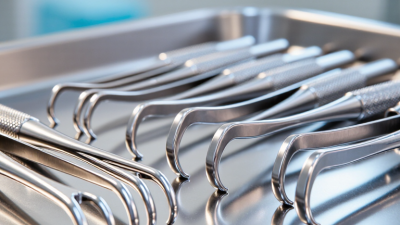
Selecting the right Neurosurgical micro forceps is a matter of control, not just price. In delicate cranial procedures, a few millimeters can separate stable tissue handling from unwanted movement. Jaw alignment, tip profile, grip texture, shaft length, and balance all affect how an instrument feels under magnification. Yet “best” depends on the procedure, the surgeon’s technique, and the operating team’s workflow. There is no universal winner.
The Lancet Commission on Global Surgery estimated that about five billion people lack access to safe, affordable surgical and anesthesia care. That figure describes a broad access challenge, not demand for any particular instrument. Grand View Research’s Surgical Instruments Market analysis offers wider market context, but its category-level estimates do not prove that one micro-forceps design performs better clinically. This distinction matters. A sales ranking is not clinical evidence. Buyers should review manufacturer specifications, validated cleaning instructions, material details, and applicable quality documentation, then assess samples with the intended surgical team. Look closely at tip closure and handling under magnification. Small differences matter. Published product claims can also leave practical questions unanswered, including long-term wear and consistency between units. A careful comparison should acknowledge those gaps rather than promise a perfect choice.
Read more »
 By:Amelia
- November 4, 2026

Why Are Ophthalmic Iris Scissors Used in Eye Surgery?
Ophthalmic iris scissors are small, precision instruments used to cut delicate tissue during selected eye procedures. Their narrow blades and fine tips help surgeons work within the confined space of the eye. In procedures involving the iris, they may be used to make or refine a controlled cut. The margin is small. A slight change in angle or pressure can affect the tissue being treated, so instrument choice and careful technique matter.
Not every eye operation requires these scissors. Their use depends on the procedure, the patient’s anatomy, and the surgeon’s judgment. Understanding their purpose means looking beyond their name: designs can vary, and similar-looking instruments are not interchangeable in every setting. Clear visibility, appropriate sterilization, and skilled handling are essential parts of safe surgical practice. Even then, a tool alone does not guarantee a precise result. This article explains why ophthalmic iris scissors are used, what features support delicate cutting, and where their role fits within eye surgery. It also considers a practical point: precision comes from the instrument and the trained hands using it.
Read more »
 By:Olivia
- October 30, 2026

Top 10 Cardiovascular Vascular Clamps Suppliers
Selecting reliable suppliers for cardiovascular vascular clamps requires more than comparing product photographs or catalog prices. These instruments must provide controlled occlusion, atraumatic handling, and dependable performance during delicate procedures. A surgeon may notice a smooth hinge immediately, while a clinical engineer may focus on jaw alignment, material integrity, and sterilization durability. Small details matter.
This guide reviews ten prominent suppliers of Cardiovascular vascular clamps through practical purchasing criteria. The assessment considers manufacturing experience, product consistency, documentation, quality systems, and professional support. Certifications such as ISO 13485 can indicate structured processes, but they should not replace independent verification. Buyers should examine traceability records, inspection methods, warranty terms, and compatibility with local sterilization systems.
User feedback also deserves careful attention. A clamp that feels balanced during a long operation may reduce hand fatigue. Fine serrations should secure tissue without creating unnecessary trauma. However, performance can vary between models, sizes, and production batches. The ranking is not absolute. It reflects available evidence and practical relevance, not a universal clinical verdict. Some suppliers publish detailed technical data; others provide limited information, which deserves caution.
The strongest manufacturers usually combine precision machining with responsive technical service. They may support customization, training, and replacement planning. Procurement teams should request samples where possible and involve surgeons, nurses, and sterilization specialists before ordering. Reliable sourcing is a continuing process, not a single transaction. This comparison offers a grounded starting point for identifying suppliers that may meet demanding cardiovascular care requirements.
Read more »
By:Olivia
- October 25, 2026
Top ENT Suction Tubes for Global Medical Buyers?
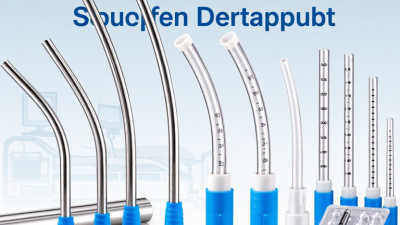
Choosing the right ENT suction tubes requires more than comparing prices or package photographs. Tube diameter, tip design, flexibility, connector fit, and drainage performance directly affect clinical handling. In a narrow nasal passage, a few millimeters can change patient comfort and suction control. No single tube wins every airway.
The World Health Organization’s Global Atlas of Medical Devices reports more than two million medical device types worldwide, grouped into over 7,000 generic categories. This scale explains why global buyers need structured evaluation criteria. Product classification, intended use, sterilization status, material safety, and traceability should be checked before purchase. ISO 13485 supports quality management systems, while ISO 14971 guides medical-device risk management. These standards do not replace clinical judgment.
Regulatory evidence also matters. The U.S. FDA expects manufacturers to support device safety, performance, labeling, and applicable biocompatibility requirements. ISO 10993 is commonly referenced when evaluating patient-contacting materials. Buyers should request test reports, certificates, lot information, and clear instructions for use. Supplier claims still need verification. That is easy to forget.
This guide compares top ENT suction tubes for hospitals, distributors, and medical procurement teams across international markets. It considers rigid and flexible designs, sterile and non-sterile supply options, pediatric and adult applications, and compatibility with common suction systems. Practical details matter: a secure connector, a smooth rounded tip, and packaging that remains intact during shipping. Market reports can indicate demand, but they cannot confirm bedside usability. Buyer feedback and controlled clinical evaluation remain essential.
Read more »
By:Olivia
- October 15, 2026
10 Tips for Choosing Surgical Rongeurs for Global Buyers
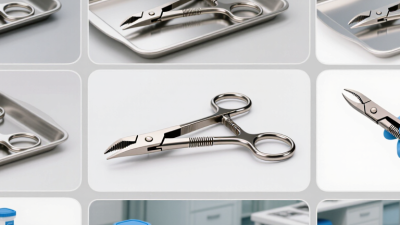
Selecting surgical rongeurs for international healthcare markets requires more than comparing prices and jaw shapes. These instruments must perform reliably under pressure, repeated cleaning, and strict clinical routines. A rongeur that feels balanced in a supplier’s showroom may feel tiring after hours of orthopedic or neurosurgical work.
Details matter. Examine the cutting edges under bright, neutral light. The jaws should close evenly, without visible gaps, rough spots, or excessive lateral movement. Check whether the handle provides controlled leverage, especially when removing dense bone. Stainless steel grade, surface finishing, corrosion resistance, and hinge construction also deserve careful review. Small defects become larger problems in sterile processing.
A polished catalog photo is not enough. Request dimensional drawings, material documentation, inspection records, and clear information about cleaning and sterilization limits. Reliable manufacturers should explain their quality system, batch traceability, warranty terms, and applicable market requirements. Buyers should also confirm whether the instrument is reusable, how many processing cycles are supported, and which maintenance steps protect the joint.
Fit the clinical task.
Specifications can mislead.
User feedback remains valuable. A surgeon may prefer a sharper bite, while a sterilization technician may prioritize easy disassembly and drainage. These needs can conflict, and no single model suits every facility. Even experienced buyers can overlook hand comfort when focusing on compliance paperwork. Practical trials, sample inspections, and documented supplier communication reduce that risk. The following ten tips provide a realistic framework for evaluating Surgical rongeurs, balancing clinical performance, safety, durability, and dependable global procurement.
Read more »
By:Olivia
- October 10, 2026

7 Tips for Buying Orthopedic Bone Chisels
Choosing the right orthopedic bone chisels is a clinical and purchasing decision, not a simple catalog exercise. These instruments help surgeons shape, split, or remove bone with controlled force. A poor match can reduce precision, increase hand fatigue, or complicate preparation before a procedure. This guide presents seven practical tips for evaluating Orthopedic bone chisels with greater care.
Begin with the intended procedure, bone density, and required working depth. A narrow chisel may offer accuracy in confined areas, while a broader blade can distribute force across larger surfaces. Examine the blade profile, cutting edge, shaft strength, and handle design. Stainless steel quality matters, but the label alone proves little. Request material specifications, hardness information, and documented manufacturing standards from the supplier. Small details count.
Consider grip security, balance, visibility, and compatibility with the surgeon’s technique. Textured handles may improve control when gloves are wet, yet excessive texture can make cleaning more difficult. Check whether the instrument tolerates the facility’s validated sterilization process. Confirm dimensions, packaging, inspection requirements, and replacement support before ordering. Independent testing or peer-reviewed guidance can strengthen the decision.
There is no universal best chisel. That is worth remembering. A familiar instrument may feel efficient, but familiarity should not replace inspection. Review feedback from orthopedic surgeons, operating-room technicians, and sterile-processing staff. Compare trusted manufacturers rather than relying only on the lowest price. The final choice should reflect clinical purpose, measurable quality, safe reprocessing, and long-term reliability. Even a careful checklist can miss something, so document the reasoning and reassess performance after real-world use.
Read more »
 By:Ethan
- October 5, 2026

How to Choose Tungsten Carbide Surgical Scissors?
Choosing Tungsten carbide surgical scissors requires more than comparing prices or admiring a polished handle. These instruments must perform reliably during delicate cutting, repeated sterilization, and demanding clinical routines. A surgeon may notice the difference when a blade closes smoothly, grips tissue cleanly, and avoids unexpected pulling. Small details matter.
This guide examines the practical factors behind a sound purchasing decision. It considers blade shape, cutting edge design, tungsten carbide inserts, handle balance, locking quality, and available sizes. It also explains how the scissors should match specific procedures, tissue types, and handling preferences. A fine, sharp tip may support precise dissection, while a stronger profile can suit heavier materials. The best choice is not always the most expensive one.
Material claims deserve careful attention. Reliable manufacturers should provide clear specifications, quality-control information, sterilization guidance, and traceable product documentation. Buyers should review the instructions for use rather than relying on catalog language alone. Tungsten carbide surgical scissors can offer durable cutting performance, but their value depends on manufacturing accuracy and proper maintenance. That point is easy to overlook.
Practical inspection remains important. Check the joint, alignment, tension, and edge condition before clinical use. Ask whether servicing or sharpening is available. A familiar instrument may feel safer than a technically superior design that demands adjustment. I would not treat any single feature as decisive. Clinical feedback, verified specifications, and repeated hands-on evaluation should guide the final selection. Even then, preferences may change after real procedures reveal weaknesses that a product sheet never shows.
Read more »
By:Ethan
- September 30, 2026
What Are the Top Types of Surgical Needle Holders in 2026?
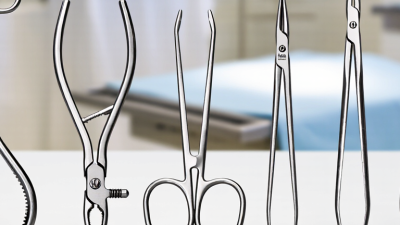
Surgical needle holders may look similar at first glance, yet small design differences can change control, visibility, and hand comfort. In 2026, common types include Mayo-Hegar, Mathieu, Olsen-Hegar, Crile-Wood, Ryder, and Castroviejo holders. Each has a distinct jaw shape, locking mechanism, or handle profile. Those details matter when a clinician places sutures in different tissues or works within a restricted field.
Mayo-Hegar models are widely recognized for general suturing and sturdy handling. Mathieu holders use a spring-style grip, while Olsen-Hegar designs combine needle holding with integrated scissors. Crile-Wood and Ryder patterns offer narrower jaws for more delicate work. Castroviejo holders are typically associated with fine suturing and delicate control. These are useful distinctions, not rigid rules. Real instrument preferences also depend on needle size, procedure, hand size, and the clinician’s training. Fit is personal.
This guide compares the leading types by design, intended use, and practical trade-offs. It also considers materials such as stainless steel and tungsten carbide inserts, which can affect durability and grip. Small details matter. A locking ratchet that feels secure to one user may feel awkward to another. No single holder is best for every case, and product names alone do not guarantee performance. Selection should reflect clinical requirements, manufacturer specifications, and proper maintenance guidance. The categories are not always perfectly tidy; some designs overlap in everyday use. That is worth remembering when comparing instruments.
Read more »
By:Amelia
- September 25, 2026
What Are Orthodontic Pliers Used For?
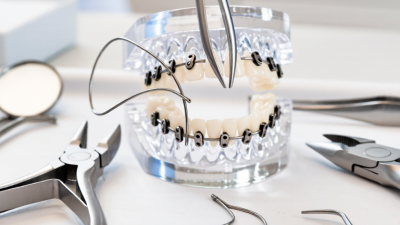
Orthodontic pliers are precision instruments used by trained dental professionals to shape wires, manage brackets, and handle small components during treatment. Their familiar metal jaws may look simple, but each design serves a particular task. Weingart pliers guide archwires into brackets; bird-beak pliers bend wire; distal-end cutters trim wire ends. Small movements matter. A rough cut or poorly formed bend can irritate soft tissue or affect appliance fit.
The World Health Organization’s Global Oral Health Status Report (2022) estimates that oral diseases affect nearly 3.5 billion people worldwide. This broad figure describes oral health needs, not orthodontic treatment rates or plier use. Still, it underlines why precise, careful dental care matters. Orthodontic pliers help clinicians perform specific adjustments, but they are not interchangeable, and the right choice depends on the appliance and clinical task. A cutter designed for one wire may not be suitable for another. That distinction is easy to miss.
This guide explains what common plier types do, where they are used, and why handling and maintenance matter. It also separates routine professional use from do-it-yourself adjustments, which can damage an appliance or injure the mouth. The details can seem minor. They are not. A careful overview cannot replace advice from an orthodontist, and instrument names may vary between manufacturers.
Read more »
By:Olivia
- September 25, 2026
How to Choose Dental Extraction Forceps in 2026
Choosing Dental extraction forceps in 2026 is not simply a matter of picking a familiar shape. The right instrument should match the tooth, its position, and the clinician’s technique. A forceps that fits poorly may slip, obscure access, or make controlled movement harder. Small details matter.
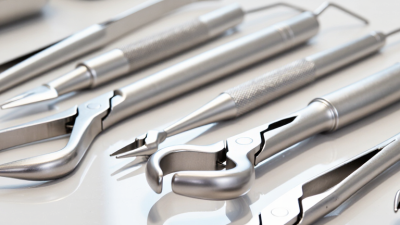
Look closely at the beak design, hinge action, handle length, grip, and overall balance. For example, a narrow beak may provide useful access around a posterior tooth, while a broader profile may suit a different crown shape. These are not universal rules. Tooth anatomy, root form, and the condition of surrounding tissues can change what works. A comfortable handle matters, too, especially during repeated procedures. It should feel secure without forcing the hand into an awkward position.
Material and maintenance deserve equal attention. Check product specifications, finish quality, and the manufacturer’s cleaning and sterilization instructions. Smooth, well-aligned beaks and a stable hinge are practical signs to inspect before use. Follow applicable clinical protocols, and seek guidance from qualified dental professionals when selecting instruments for a specific procedure. Training and sound judgment remain essential. The instrument alone cannot ensure a predictable outcome.
There is no single best pair. Even experienced clinicians may prefer different designs, and preferences can deserve a second look. A useful choice balances access, control, durability, and fit for the intended task. In this guide, we’ll examine how to compare these features and make a considered selection in 2026.
Read more »
By:Amelia
- September 25, 2026