Choosing the right ENT suction tubes requires more than comparing prices or package photographs. Tube diameter, tip design, flexibility, connector fit, and drainage performance directly affect clinical handling. In a narrow nasal passage, a few millimeters can change patient comfort and suction control. No single tube wins every airway.
The World Health Organization’s Global Atlas of Medical Devices reports more than two million medical device types worldwide, grouped into over 7,000 generic categories. This scale explains why global buyers need structured evaluation criteria. Product classification, intended use, sterilization status, material safety, and traceability should be checked before purchase. ISO 13485 supports quality management systems, while ISO 14971 guides medical-device risk management. These standards do not replace clinical judgment.
Regulatory evidence also matters. The U.S. FDA expects manufacturers to support device safety, performance, labeling, and applicable biocompatibility requirements. ISO 10993 is commonly referenced when evaluating patient-contacting materials. Buyers should request test reports, certificates, lot information, and clear instructions for use. Supplier claims still need verification. That is easy to forget.
This guide compares top ENT suction tubes for hospitals, distributors, and medical procurement teams across international markets. It considers rigid and flexible designs, sterile and non-sterile supply options, pediatric and adult applications, and compatibility with common suction systems. Practical details matter: a secure connector, a smooth rounded tip, and packaging that remains intact during shipping. Market reports can indicate demand, but they cannot confirm bedside usability. Buyer feedback and controlled clinical evaluation remain essential.
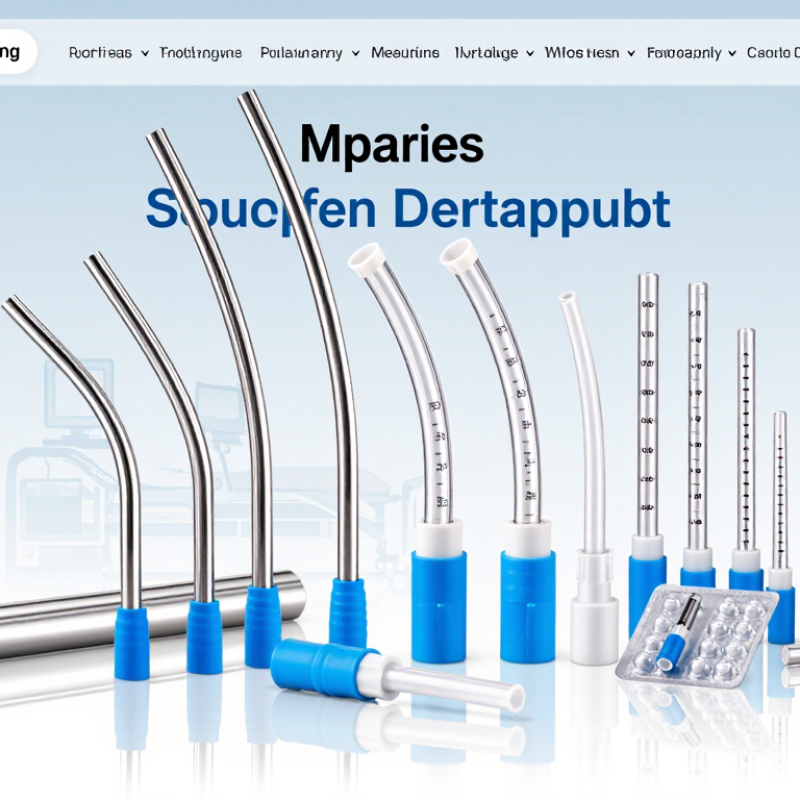
ENT Suction Tubes: Purpose, Design, and Clinical Applications
Top ENT Suction Tubes for Global Medical Buyers?
ENT Suction Tubes: Purpose, Design, and Clinical Applications
ENT suction tubes remove blood, mucus, irrigation fluid, and tissue debris during ear, nose, and throat procedures. Clear visibility matters. A well-designed tube supports controlled suction without unnecessarily irritating delicate tissue. Clinicians commonly use these tubes during nasal endoscopy, sinus procedures, tonsil surgery, ear surgery, and emergency airway care.
Design affects practical performance. Tube diameter influences flow and access, while the tip shape affects tissue contact. A rounded tip may reduce trauma near sensitive surfaces. Side openings can support smoother suction, but they may clog with thick secretions. Flexible tubing improves maneuverability, although excessive flexibility can reduce control. Connectors must fit the facility’s suction system securely. Sterile packaging, single-use status, material safety, and clear labeling also deserve careful review.
A wider lumen is not automatically better. It can remove fluid quickly, but it may feel difficult to position in a narrow field. In my experience, clinicians often value balance more than maximum suction. Buyers should compare tube length, visibility, rigidity, and pressure compatibility with actual procedures. One purchasing weakness is relying only on catalog descriptions. Hands-on evaluation can reveal problems, such as awkward grip or poor tip control. Selection should follow clinician input, facility protocols, and applicable medical-device requirements in each market.
FAQS
They remove blood, mucus, irrigation fluid, and tissue debris during ear, nose, and throat procedures. Clear visibility matters. Common uses include nasal endoscopy, sinus procedures, tonsil surgery, ear surgery, and airway care.
A rounded tip may reduce irritation near sensitive surfaces. Side openings can create smoother suction but may clog with thick secretions. Check the tip for rough edges before use.
No. A wider lumen removes fluid quickly but may be difficult to position in narrow areas. A smaller lumen can improve precision but may clog more easily. Balance matters more than maximum suction.
A rigid, wide-bore tube suits thick secretions in the oral cavity. A fine, angled tube can reach narrow nasal, ear, or laryngeal areas. Flexible tubes reach deeper spaces but may collapse under strong suction.
Review the inner diameter, length, flexibility, tip shape, connector, and vacuum range. Check sterile packaging and single-use labeling. Staff should read size markings quickly. Catalog images can mislead.
Request product specifications, batch records, sterilization evidence, and material safety documents. Verify certification scope and issuing-body details. Ask for recent test reports and corrective-action procedures. Documents should remain consistent across shipments.
Yes, when facility protocols permit. Test suction with saline and observe grip, tip control, connector security, and flow. Repeat handling can reveal weaknesses. One sample is insufficient.
Replace any tube with cracks, blocked vents, rough edges, or a loose connector. Record lot numbers, inspection results, and delivery conditions. Follow facility protocols and local medical-device requirements. Do not rely on appearance alone.
Conclusion
ENT suction tubes are essential clinical tools used to remove fluids, blood, secretions, and debris during ear, nose, and throat procedures. Their design can vary by tube type, including straight, curved, angled, and flexible models, each supporting different access requirements and suction control. For medical buyers, key considerations include material quality, tube length and diameter, tip shape, visibility, flexibility, connector compatibility, and suitability for specific procedures. Selecting the right configuration can improve handling, procedural efficiency, and patient comfort.
Safety and reliability should remain priorities when evaluating ENT suction tubes. Buyers should confirm whether products are intended for single use or reusable applications, and verify sterilization methods, packaging integrity, traceability, and compliance with applicable medical-device quality standards. Global purchasers should also assess supplier consistency, technical documentation, production capacity, quality-control procedures, customization options, and after-sales support. A structured comparison of clinical needs, product specifications, and supplier performance can help healthcare organizations choose dependable ENT suction tubes for routine practice and specialized procedures.