0%

Orthodontic pliers are precision instruments used by trained dental professionals to shape wires, manage brackets, and handle small components during treatment. Their familiar metal jaws may look simple, but each design serves a particular task. Weingart pliers guide archwires into brackets; bird-beak pliers bend wire; distal-end cutters trim wire ends. Small movements matter. A rough cut or poorly formed bend can irritate soft tissue or affect appliance fit.

The World Health Organization’s Global Oral Health Status Report (2022) estimates that oral diseases affect nearly 3.5 billion people worldwide. This broad figure describes oral health needs, not orthodontic treatment rates or plier use. Still, it underlines why precise, careful dental care matters. Orthodontic pliers help clinicians perform specific adjustments, but they are not interchangeable, and the right choice depends on the appliance and clinical task. A cutter designed for one wire may not be suitable for another. That distinction is easy to miss.

This guide explains what common plier types do, where they are used, and why handling and maintenance matter. It also separates routine professional use from do-it-yourself adjustments, which can damage an appliance or injure the mouth. The details can seem minor. They are not. A careful overview cannot replace advice from an orthodontist, and instrument names may vary between manufacturers.
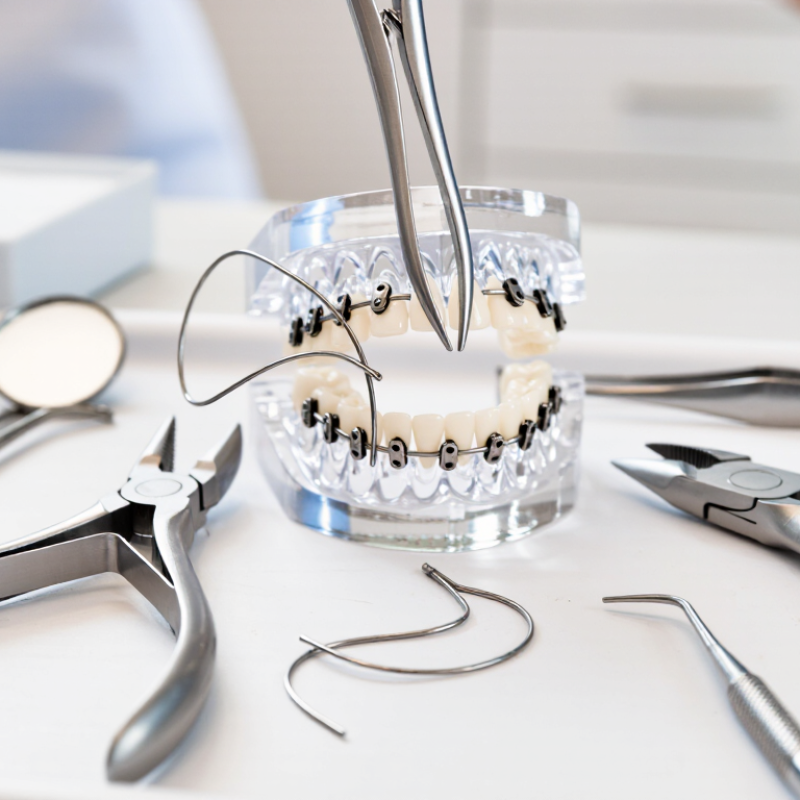
What Are Orthodontic Pliers Used For?

What Orthodontic Pliers Are and How They Are Designed

Orthodontic pliers are hand instruments for shaping, holding, bending, or cutting components during orthodontic treatment. Their working ends are designed for specific tasks: a narrow beak can form a precise bend, while a cutter has opposed edges for trimming wire. The handles provide leverage and tactile control. Small differences matter. A tip that is too broad may obscure a tight space; one that is too fine may feel less stable.

Design balances reach, grip, and force. Stainless-steel construction supports repeated cleaning, while a box joint or riveted hinge lets the jaws open and close in alignment. Some models include a spring to reopen the handles, reducing repeated hand effort. Serrated jaws can grip wire, but their texture may mark softer materials. There is no single ideal shape; the right geometry depends on the wire and the intended adjustment.

Reusable pliers also need a design compatible with validated reprocessing. The CDC’s 2003 dental infection-control guideline lists example minimum steam-exposure times for wrapped instruments:

30 minutes at 121°C in a gravity-displacement sterilizer, or 4 minutes at 132°C in a dynamic-air-removal sterilizer.

Actual cycles must follow the sterilizer and instrument manufacturers’ instructions. Hinges deserve attention. Debris can collect there, even when the outside looks clean.

The Main Tasks Orthodontic Pliers Perform

Orthodontic pliers perform precise, small-scale tasks during appliance fitting and adjustment. They grip archwires, bend wire ends, cut excess wire, and help place or remove ligatures. Some designs crimp stops or shape components around brackets. Each tool has a specific jaw shape; choosing the wrong one can flatten a wire or make an awkward bend. Pliers do not move teeth by themselves. The orthodontist adjusts the appliance, then monitors how the teeth respond.

Good control matters. A clinician may steady a bracket with one hand while turning a short wire tail with the other. Cutting pliers should capture the cut end, reducing the chance it springs toward the patient. Not every adjustment goes perfectly. A bend may need correction, and repeated bending can weaken a wire.

Tips: Match the plier to the wire and task, and inspect the jaws for wear. CDC’s Summary of Infection Prevention Practices in Dental Settings recommends biological monitoring of sterilizers at least weekly. Reusable pliers that contact oral tissues need appropriate reprocessing between patients. Small details count.

Common Types of Orthodontic Pliers and Their Uses

Orthodontic pliers are designed for specific tasks involving wires, brackets, and small components. Their tips may look similar, but shape matters. A bird-beak plier has one round tip and one tapered, often square tip. It helps form bends and loops in archwires. Weingart utility pliers have narrower tips for holding and positioning wire near brackets. Small movements matter. Too much pressure can distort a wire or loosen a component.

Distal end cutters trim archwires behind the last bracket; many models hold the cut end to reduce the chance it falls into the mouth. Ligature cutters are made for cutting soft ligature wire, not thicker archwires. Mathieu pliers help place elastomeric ligatures around brackets, while bracket-removing pliers are used during appliance removal. The categories are not perfectly tidy: designs and uses can overlap. Choosing a tool for the wrong material can damage its cutting edge, so clinicians follow the instrument’s intended use and sterilization instructions.

How Orthodontists Use Pliers During Treatment

During treatment, orthodontists use pliers to shape wires, secure attachments, and remove components when a treatment stage changes. Bird-beak pliers can form small bends or loops in an archwire. Wire cutters trim excess length, while specialized cutters help remove bonded brackets. Each tool has a specific job. Small movements matter.

A U.S. NHANES III analysis by Proffit and colleagues estimated that 20.6% of children had severe malocclusion, a reminder that treatment needs vary widely. The finding is from older data, so it should not be treated as a current prevalence estimate. For an individual patient, the orthodontist chooses pliers and wire adjustments based on the treatment plan, tooth position, and appliance type. A slight bend can change how a tooth responds to force; too much can irritate the cheek or gums. The adjustment may look simple, but it takes clinical judgment. And a neat-looking wire is not always the right wire. Pain or a loose component deserves a call to the orthodontic office, not a home repair attempt.

Cleaning, Sterilization, and Safe Handling of Orthodontic Pliers

Orthodontic pliers bend archwires, shape ligatures, and adjust small components inside the mouth. Their contact with oral tissues means they need careful reprocessing between patients. The CDC’s 2016 Summary of Infection Prevention Practices in Dental Settings recommends heat sterilization for reusable semicritical instruments when they tolerate it. Follow each instrument’s instructions for cleaning and sterilization; hinges and serrated jaws can trap debris. Small details matter.

After use, transport pliers in a closed, puncture-resistant container. Wear appropriate protective equipment, then clean the joints and working surfaces using the specified method. Rinse and dry thoroughly, inspect under good lighting, and package instruments before sterilization.

CDC guidance calls for mechanical and chemical monitoring of each sterilizer load, plus biological monitoring at least weekly. A 2015 CDC national survey estimated that 3.2% of hospitalized patients had at least one healthcare-associated infection; this is not a dental-instrument risk estimate, but it underlines why reliable infection-control routines matter.

No workflow is perfect. A rushed hinge inspection can miss residue, so pause when a surface looks dull or stained. Store cooled, dry packages in a clean, protected area, and document monitoring results and any failed cycles.

FAQS

What are orthodontic pliers used for?

They grip, bend, shape, and cut small orthodontic components. They help with wire ends, ligatures, and stops.

Why do plier tips have different shapes?

A narrow beak can make a precise bend in a tight space. Wider jaws may feel steadier, but can block the clinician’s view.

How should pliers be matched to a task?

Choose jaws suited to the wire and adjustment. The wrong shape may flatten wire or create an awkward bend.

Can orthodontic pliers move teeth on their own?

No. The clinician adjusts the appliance and monitors how teeth respond. The pliers are only part of the process.

Why do hinge and jaw condition matter?

A well-aligned hinge helps jaws open and close evenly. Worn jaws may grip poorly, and debris can hide near the hinge.

What should clinicians know about cutting wire?

Cutting pliers should capture the wire end, reducing the chance it springs toward the patient. A cut can still need careful checking.

Can a bent wire be adjusted repeatedly?

A bend may need correction, but repeated bending can weaken the wire. Even experienced hands may need a second try; that is not always ideal.

How should reusable pliers be reprocessed?

Clean and sterilize them between patients according to the instrument and sterilizer instructions. Hinges need attention, even when the outside looks clean.

What sterilization monitoring and cycle details are mentioned?

The cited guidance recommends biological monitoring at least weekly. Example wrapped-instrument steam cycles include 30 minutes at 121°C in gravity displacement, or 4 minutes at 132°C in dynamic air removal. Small details matter.

Conclusion

Orthodontic pliers are specialized hand instruments designed to grip, bend, cut, and shape the small components used in orthodontic treatment. Their tips and handles vary according to the task, allowing orthodontists to work with wires, brackets, bands, and other appliances with control and precision. Different types may be used to form wire loops, adjust bends, remove components, or trim wire ends.

During treatment, orthodontists select pliers suited to each adjustment and use them carefully to help appliances fit and function as intended. Proper handling supports patient comfort and helps prevent damage to the appliance or surrounding tissues. After use, the instruments should be cleaned to remove debris, inspected for wear, and sterilized according to appropriate clinical procedures. Safe storage and routine maintenance also help keep orthodontic pliers reliable and ready for future use.

Olivia

Olivia

Olivia is a professional marketing specialist with a deep understanding of the company’s products, customer needs, and the practical considerations that shape purchasing decisions. She regularly contributes expert articles to the company website, sharing clear, useful information that helps readers......