0%

Selecting surgical rongeurs for international healthcare markets requires more than comparing prices and jaw shapes. These instruments must perform reliably under pressure, repeated cleaning, and strict clinical routines. A rongeur that feels balanced in a supplier’s showroom may feel tiring after hours of orthopedic or neurosurgical work.

Details matter. Examine the cutting edges under bright, neutral light. The jaws should close evenly, without visible gaps, rough spots, or excessive lateral movement. Check whether the handle provides controlled leverage, especially when removing dense bone. Stainless steel grade, surface finishing, corrosion resistance, and hinge construction also deserve careful review. Small defects become larger problems in sterile processing.

A polished catalog photo is not enough. Request dimensional drawings, material documentation, inspection records, and clear information about cleaning and sterilization limits. Reliable manufacturers should explain their quality system, batch traceability, warranty terms, and applicable market requirements. Buyers should also confirm whether the instrument is reusable, how many processing cycles are supported, and which maintenance steps protect the joint.

Fit the clinical task.

Specifications can mislead.

User feedback remains valuable. A surgeon may prefer a sharper bite, while a sterilization technician may prioritize easy disassembly and drainage. These needs can conflict, and no single model suits every facility. Even experienced buyers can overlook hand comfort when focusing on compliance paperwork. Practical trials, sample inspections, and documented supplier communication reduce that risk. The following ten tips provide a realistic framework for evaluating Surgical rongeurs, balancing clinical performance, safety, durability, and dependable global procurement.
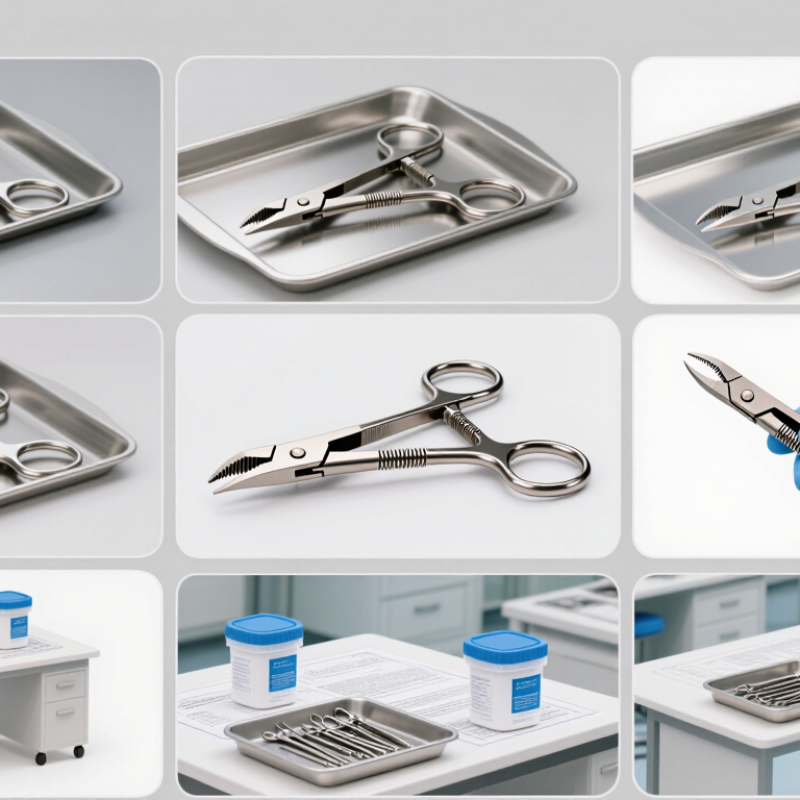
10 Tips for Choosing Surgical Rongeurs for Global Buyers

Understanding Surgical Rongeurs and Their Clinical Uses

Surgical rongeurs are hand instruments designed to bite, trim, or remove bone and hard tissue. Their jaws may be straight, angled, narrow, or cup-shaped. In decompression, orthopedic, and spinal procedures, surgeons select the profile that matches the access route and tissue density. The Lancet Commission on Global Surgery estimated that 313 million surgical procedures occur worldwide each year. This scale makes dependable instrument selection important, especially where repair services are limited.

Clinical use requires more than sharp jaws. A rongeur should provide controlled cutting, a stable hinge, and a comfortable grip. In practice, a small cup may support precise bone removal near delicate structures. A stronger jaw may handle thicker cortical bone.

Tip 1: Match jaw geometry to the procedure. Tip 2: Check the working length. Tip 3: Confirm stainless-steel quality. Tip 4: Test smooth opening and closing. Tip 5: Avoid excessive lateral force.

Tip 6: Inspect the hinge for looseness. Tip 7: Review sterilization compatibility. Tip 8: Request dimensional and material records. Tip 9: Consider local maintenance capacity. Tip 10: Validate samples clinically before volume purchasing.

ISO 7153-1 supports material selection for surgical instruments, but compliance alone does not prove clinical suitability. The World Health Organization’s Global Guidelines for the Prevention of Surgical Site Infection also emphasize reliable decontamination processes. A perfect rongeur does not exist. Some buyers overvalue hardness and overlook balance, cleaning access, or staff familiarity. That mistake deserves more attention.

Identifying the Right Rongeur Design for Each Surgical Procedure

Choosing the right surgical rongeur begins with the procedure, not the catalog image. A narrow, angled jaw can improve access in deep or restricted fields. A broader jaw may remove tougher bone more efficiently. Match the bite size to the expected tissue volume. Oversized jaws can reduce control and obstruct the view.

Choose straight designs for direct approaches and angled shafts for difficult anatomical corridors. Double-action mechanisms may reduce hand force during repeated bites. However, they can feel heavier in smaller hands. Grip shape, spring resistance, and shaft length deserve practical testing. No specification sheet predicts every surgeon’s hand.

Global procurement also requires dependable reprocessing. The WHO Global Guidelines for the Prevention of Surgical Site Infection stress validated cleaning and sterilization practices. Confirm that the rongeur’s joints, serrations, and internal surfaces can be inspected and cleaned thoroughly. The Lancet Commission on Global Surgery estimated that 5 billion people lacked access to safe, affordable surgery. The 2023 WHO–World Bank monitoring report also recorded 4.5 billion people without full coverage of essential health services in 2021. In such settings, durable instruments and replaceable components can matter more than decorative finishes. A practical mistake is choosing maximum strength without checking weight, visibility, or maintenance. Test the instrument with gloved hands, simulated tissue, and the actual tray layout. Small discomfort becomes significant after repeated use.

Evaluating Materials, Jaw Types, Handles, and Cutting Performance

Global buyers should assess surgical rongeurs through materials, jaw geometry, handles, and cutting performance. The Lancet Commission on Global Surgery reported that about five billion people lack safe, affordable surgical care. Durable instruments therefore support repeated use and dependable service in demanding facilities. Request material certificates referencing ISO 7153-1 or ASTM F899. Stainless steel grades differ in corrosion resistance, hardness, and maintenance needs. A polished surface should feel smooth, without pits or visible grinding marks.

Tip: Match the jaw to the procedure. Kerrison-style jaws suit controlled bone removal, while punch or biting jaws require different opening angles. Check jaw alignment under bright light. A tiny gap can create uneven cuts. Handle design also matters. Ring handles may improve familiar control, while spring-assisted handles can reduce hand fatigue. Yet spring tension that feels comfortable in a showroom may become tiring during long procedures. This needs practical testing.

Tip: Ask for cutting-force data, cycle testing, and inspection records. ISO 13402 provides useful guidance for evaluating surgical instrument performance after repeated processing. Do not rely only on a sharp first impression. Test rongeurs on approved sample material, checking bite consistency, jaw rebound, and edge damage. The WHO Global Guidelines for Safe Surgery emphasize reliable equipment and standardized checks. Reports are valuable, but field conditions can expose weaknesses. Water quality, sterilization temperature, and rushed handling may change real performance. Procurement teams should record these variables before approving bulk orders.

Checking Quality Standards, Sterilization, and Supplier Reliability

10 Tips for Choosing Surgical Rongeurs for Global Buyers

Quality checks should begin with the intended procedure, tissue type, and expected load. A rongeur should open smoothly, close evenly, and maintain a firm bite. Inspect the jaws under bright light. Uneven edges, rough hinges, or visible gaps deserve rejection. Confirm material specifications, corrosion resistance, and documented testing. ISO 13485 certification can indicate a controlled quality system, but verify its scope and validity. A certificate alone proves little.

Sterilization details require closer attention than a simple “sterile” label. Ask whether the instrument is supplied sterile or intended for facility processing. Request validated cleaning and sterilization instructions aligned with ISO 17664. For steam processing, review cycle parameters, material compatibility, packaging, and reprocessing limits. A polished surface may still trap residue near the hinge. That detail is easy to miss. Local regulatory requirements may also differ, so check them before importation.

Supplier reliability appears in daily communication and traceability. Request sample instruments, batch records, inspection reports, and a clear complaint process. Confirm how the supplier manages design changes, replacement parts, and delivery delays. A reliable partner should answer technical questions without vague promises. Check references when possible, and assess whether quality remains consistent across several production lots. I would not rely on the lowest quote alone. Cost pressure can expose weaknesses later, especially when documentation or sterilization support is incomplete.

Comparing Costs, Customization, and Global Purchasing Requirements

10 Tips for Choosing Surgical Rongeurs for Global Buyers

Comparing Costs, Customization, and Global Purchasing Requirements

Choosing surgical rongeurs requires more than comparing the lowest unit price. Buyers should examine jaw design, cutting performance, handle comfort, and expected service life. A low quote can still be expensive when sharpening or replacement is frequent. Request samples before placing a large order. Test them with the intended surgical materials and handling conditions. Small differences matter.

Customization may include jaw width, shaft length, tooth pattern, finish, and handle color. Confirm whether these changes affect tooling fees, minimum order quantities, or delivery times. Ask for technical drawings before approving production. A drawing prevents costly misunderstandings. One common mistake is requesting too many options at once. Standard configurations may provide better value and faster supply.

Global purchasing adds practical concerns. Check packaging strength, moisture protection, product labeling, and traceability records. Confirm the manufacturer can provide material certificates, inspection reports, and consistent batch documentation. Clarify payment terms, shipping responsibilities, insurance, and currency risks in writing. Local medical-device requirements should guide every document request. Do not assume one certificate satisfies every market. An independent pre-shipment inspection can reveal surface damage, loose joints, or uneven jaws. That extra cost may be worthwhile. Still, inspection alone cannot replace careful sample evaluation.

How Global Buyers Should Allocate a Surgical Rongeur Purchasing Budget

This indicative planning model shows how buyers can evaluate the total purchasing cost of surgical rongeurs. Product price is only one part of the budget; customization, packaging, freight, inspection, documentation, and contingency should also be considered when comparing suppliers across borders.

FAQS

How should I choose a rongeur jaw design?

Start with the procedure and working space, not the catalog photograph. A narrow, angled jaw may reach deep, restricted areas. A broader jaw can remove tougher bone faster. Oversized jaws may block visibility.

When is a straight shaft preferable?

Choose a straight shaft for direct approaches and clear access. Angled shafts suit difficult anatomical corridors. The best angle depends on the actual field. Drawings cannot show every obstacle.

Can double-action mechanisms reduce hand fatigue?

They may reduce hand force during repeated bites. However, they can feel heavy in smaller hands. Test the mechanism with gloves before approval. Comfort is not guaranteed.

What handle features should buyers evaluate?

Examine grip shape, spring resistance, and shaft length. Ring handles may provide familiar control. Spring-assisted handles can reduce fatigue. Too much spring tension may become tiring during long procedures.

How can material quality be checked?

Request material certificates and inspect the surface under bright light. The steel should feel smooth, without pits or grinding marks. Different grades vary in hardness and corrosion resistance. A shiny finish alone proves little.

How should cutting performance be tested?

Test approved sample material with gloved hands and repeated bites. Check jaw alignment, bite consistency, rebound, and edge damage. A tiny gap may create uneven cuts. Sharp at first. Not always durable.

What cleaning and sterilization details matter?

Confirm that joints, serrations, and internal surfaces can be inspected and cleaned. Use validated cleaning and sterilization procedures. Record water quality, sterilization temperature, and handling conditions. Small maintenance gaps can become serious.

What should global buyers check before a large order?

Request samples before approving bulk production. Review technical drawings, batch records, inspection reports, and traceability documents. Check packaging strength and moisture protection. Confirm shipping, insurance, payment, and currency terms in writing.

Is the lowest unit price usually the best value?

Not necessarily. Frequent sharpening or replacement can increase total cost. Compare service life, maintenance, delivery time, and spare components. Customization may add tooling fees or minimum quantities. Too many options can slow supply.

Conclusion

Choosing the right Surgical rongeurs is essential for achieving precise, controlled, and efficient bone or tissue removal across different procedures. Buyers should first understand the clinical purpose of each instrument and select a design that matches the surgical site, access requirements, and cutting task. Important considerations include straight or angled patterns, jaw size and shape, single- or double-action mechanisms, handle comfort, and cutting performance. High-quality materials and accurate manufacturing can improve durability, corrosion resistance, and operational consistency.

Global buyers should also evaluate product quality systems, sterilization compatibility, packaging, and traceability before placing an order. Supplier reliability, inspection procedures, documentation, and communication capacity are equally important for maintaining a stable supply. Finally, purchasing decisions should balance unit cost with service life, customization options, minimum order quantities, shipping conditions, and local import requirements. A thorough comparison helps healthcare organizations obtain safe, practical, and cost-effective Surgical rongeurs for their intended applications.

Olivia

Olivia

Olivia is a professional marketing specialist with a deep understanding of the company’s products, customer needs, and the practical considerations that shape purchasing decisions. She regularly contributes expert articles to the company website, sharing clear, useful information that helps readers......