High-Precision Stainless Instrument Series
Browse our premier line of CE-certified medical, surgical, and precision stainless steel tool kits. Manufactured under rigorous ISO 13485 quality control parameters.
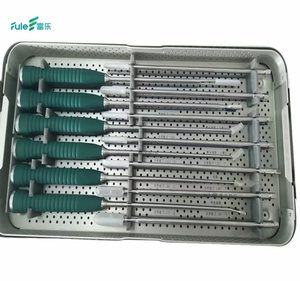
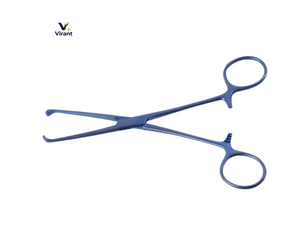
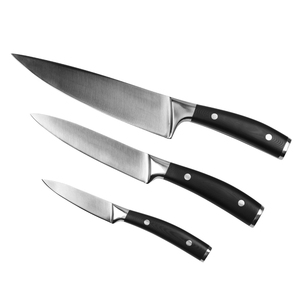
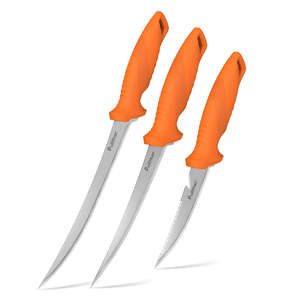

Five Decades of Sialkot Instrument Craftsmanship & Industrial Scale
Founded in 1976 in Sialkot, Pakistan—the world’s recognized nexus for precision medical forging—Suddle Group of Industries has evolved from a specialized forge into a globally authoritative direct manufacturer and exporter. Spanning over 1,500 dedicated technicians, engineers, and master blacksmiths, our facility handles the entire manufacturing life-cycle under one unified ISO 13485 certified umbrella.
Unlike trading companies or outsourced assemble-only vendors, our production infrastructure controls every metallurgical parameter. From raw German AISI 420 and 440 martensitic stainless steel billet inspection to computer-controlled vacuum heat treatment, automated CNC milling, hand finishing, and chemical ultrasonic passivation, we ensure total batch consistency and complete traceability.
ISO 13485 & CE Regulatory Compliance
Operating strictly within ISO 13485:2016 and ISO 9001:2015 frameworks, our instruments feature European CE marking and complete FDA registration. We furnish thorough Technical Files, Certificates of Analysis (CoA), and Declarations of Conformity required for EU MDR compliance and hospital procurement tenders worldwide.
German AISI Steel Metallurgical Integrity
We exclusively forge using certified high-grade German martensitic stainless steel alloys. Engineered for optimal Rockwell Hardness (HRC 50–55), our instruments provide exceptional tensile strength, flexural rigidity, and high-frequency autoclave corrosion resistance without structural embrittlement.
Turnkey OEM & Private-Label Manufacturing
From custom blueprint prototyping to high-precision laser etching, specialized gold-plated handles, custom cassette assembly, and private brand packaging—we support medical supply houses, distributors, and surgical brand owners with full OEM production capability.
German Stainless Steel Grades & Technical Standards Reference
Understanding material selection is critical for evaluating instrument lifespan, cutting edge retention, and resistance to stress corrosion cracking during repeated thermal sterilization cycles.
| Steel Grade Standard | DIN / EN Reference | Hardness Range | Typical Applications | Key Metallurgical Advantage |
|---|---|---|---|---|
| AISI 420 Martensitic | DIN 1.4021 / 1.4028 | 50 – 54 HRC | Hemostatic Forceps, Retractors, Tissue Pliers, OLIF Kits | High ductility combined with excellent spring tension and toughness; optimal corrosion resistance post-passivation. |
| AISI 440 High-Carbon | DIN 1.4125 / X105CrMo17 | 55 – 58 HRC | Surgical Scissors, Bone Chisels, Veterinary Cutters, Culinary Knives | Superior edge retention and extreme micro-hardness; resists edge deformation under heavy mechanical shear forces. |
| Tungsten Carbide (TC) Inserts | WC / Co Sintered Matrix | 70+ HRC (Insert Jaws) | Needle Holders, Micro-Scissors, Orthodontic Wire Cutters | Gold-handle identified; provides 5x longer operational life with replaceable welded tungsten carbide jaw surfaces. |
| Titanium Nitride (TiN) Coating | PVD Vapor Deposition | Surface Hardness > 2000 HV | Ophthalmic, Neurosurgical, Non-Reflective OR Instruments | Biocompatible anti-glare finish; significantly lowers friction coefficient and increases surface scratch resistance. |
Navigating Global Sourcing Shifts in Surgical & Precision Instruments
The global healthcare equipment procurement landscape is undergoing a profound structural evolution. Procurement directors at hospital networks, supply chain executives, and medical device distributors must adjust their strategies to navigate tighter international regulations, sustainability demands, and shifting supply chain risks.
1. EU MDR & Stringent Traceability Compliance
With the full implementation of the European Union Medical Device Regulation (EU MDR 2017/745), re-usable surgical instruments require rigorous technical documentation, Unique Device Identification (UDI) laser marking, and validated cleaning instructions. Procurement officers are shifting away from uncertified open-market vendors in favor of direct factories with established technical dossiers and audited ISO 13485 quality systems.
2. Shift from Disposable Plastic to Sustainable Autoclavable Steel
Environmental ESG mandates across North America and Europe are driving hospitals to minimize single-use plastic medical waste. High-grade German stainless steel instruments—capable of undergoing thousands of autoclave steam sterilization cycles (134°C / 273°F) without pitting or corrosion—are seeing renewed demand due to lower total cost of ownership (TCO) and reduced ecological footprint.
3. Hybrid High-Precision Prototyping & CNC Machining
Modern surgical procedures (such as OLIF spine surgery, micro-neurosurgery, and minimally invasive veterinary procedures) demand highly specialized instrument geometries. Procurement leads are favoring manufacturers equipped with multi-axis CNC Swiss lathe machining integrated with traditional hand-forging capabilities to rapidly turn prototype drawings into production batches.
Technological Innovations Shaping Modern Instrument Manufacturing
The production of medical-grade surgical tools and precision cutlery has transformed from pure craft into an advanced material science discipline. Leading manufacturers are investing heavily in automated surface treatment, laser technology, and material passivation testing to exceed international regulatory standards.
Automated Chemical Passivation & Oxide Film Testing
To prevent rust and stain formation on stainless steel, advanced factories employ citric and nitric acid passivation baths that selectively remove free iron from the instrument surface. This creates a continuous chromium oxide ($\text{Cr}_2\text{O}_3$) passive layer. Advanced quality labs test this layer using copper sulfate dips and boil tests according to ASTM F1089 standards.
Sub-Zero Cryogenic Heat Treatment Process
Following standard high-temperature vacuum quenching, high-end surgical steel undergoes deep sub-zero cryogenic processing (cooling down to -196°C / -320°F). This step transforms residual retained austenite into ultra-hard martensite, stabilizing the crystal lattice structure, boosting edge sharpness retention, and eliminating internal stress points.
High-Precision Fiber Laser Etching & UDI Marking
Modern surgical instruments require indelible, high-contrast matrix barcodes and serial numbers that withstand repeated washing and aggressive chemical disinfectants. Fiber laser etching embeds UDI tracking data directly into the steel without creating micro-fissures or surface rough spots where bacteria could harbor.
Frequently Asked Questions for B2B Instrument Procurement
Clear, authoritative technical answers to common queries raised by hospital purchasing officers, medical device distributors, and private brand buyers.
We manufacture over 2,000 instrument variations across eight primary clinical and professional disciplines: General Surgery (hemostatic forcep, Metzenbaum scissors, tissue pliers, needle holders), Dental & Orthodontic (extraction forceps, elevators, scalers, pliers), Orthopedic (bone chisels, osteotomes, rongeurs, OLIF sets), ENT, Cardiovascular/Thoracic (vascular clamps, DeBakey jaws), Ophthalmic micro-instruments, Neurosurgery, Gynecology, as well as premium German stainless steel veterinary and professional cutting tools.
Every production run operates under ISO 13485:2016 and ISO 9001:2015 quality management systems. All surgical instruments carry CE marking under European MDR guidelines, and our manufacturing facility is fully FDA registered for U.S. imports. Full Declarations of Conformity, Material Test Certificates (MTC), Passivation Test Reports, and UDI documentation are supplied with each consignment.
German AISI 420 and 440 martensitic stainless steel alloys possess a precisely balanced chromium-to-carbon ratio. This allows the steel to be heat-treated to an optimal hardness range (HRC 50-55) without becoming brittle. It provides exceptional edge retention, prevents mechanical jaw misalignment, and forms a impenetrable passive chromium oxide layer that prevents corrosion during autoclave steam sterilization (134°C).
Standard catalogue instrument lines start at flexible MOQs of 50 pieces per item code to accommodate distributor inventory replenishment. Custom OEM private label projects (custom laser etching, custom handle colors, bespoke packaging, or custom tool geometries) typically start at 200 to 500 pieces depending on tooling complexity. Tiered volume pricing applies at 500+ unit thresholds.
OEM and private label manufacturing is a core business pillar. Clients submit engineering drawings, technical samples, or catalog code reference numbers. Our engineering team conducts technical feasibility reviews, creates pre-production prototypes for functional sign-off, applies high-precision laser etching of your brand logo and part numbers, and produces customized sterilization packaging and kit boxes.
Standard catalogue orders are processed and dispatched within 2 to 4 weeks. Custom OEM production runs typically require 4 to 8 weeks depending on raw material sourcing and custom tooling. Logistics options include Express Air Cargo (3 to 5 business days for urgent hospital tenders), Standard Air Freight (7 to 10 days), and Sea Freight (25 to 35 days) for large bulk orders, complete with door-to-door customs clearance assistance.
We welcome strategic partnerships with established regional medical distributors. Exclusive territory arrangements are evaluated based on historical sales volume, market coverage, and dedicated marketing capabilities. Qualified partners receive distributor tier pricing, co-branded marketing collateral, sample kits, and priority factory production scheduling.
Instruments must be cleaned immediately post-procedure using pH-neutral (pH 7.0-8.5) enzymatic detergents. Avoid chlorine bleach, saline, or aggressive industrial acids which break down the passive oxide layer. After ultrasonic cleaning and thorough rinsing with demineralized water, instruments should be thoroughly dried and lubricated at box joints prior to steam autoclaving at 134°C (273°F) for a 5-minute holding time.
Request PDF Catalogues, OEM Quotes & Testing Samples
Connect directly with our senior metallurgical and procurement team in Sialkot. Share your target product list, annual volume requirements, or technical drawings for rapid response and factory-direct wholesale quotations.