Featured Dental & Surgical Forceps Sets
Manufactured using elite AISI 420/440 German-grade stainless steel with precision anatomical jaw contours and vacuum-hardened friction hinges.
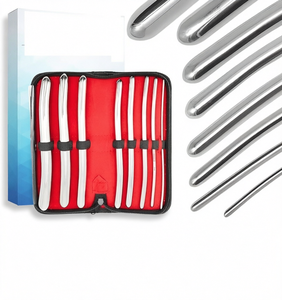
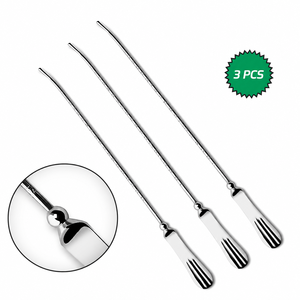
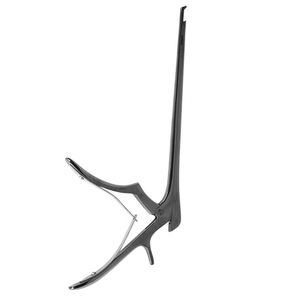
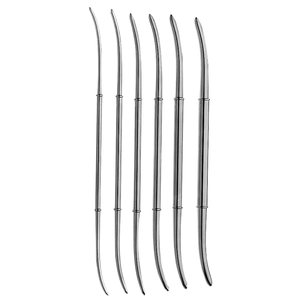
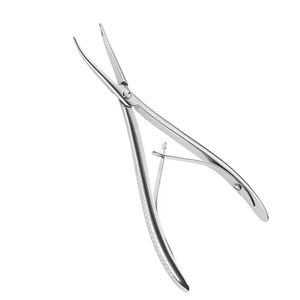
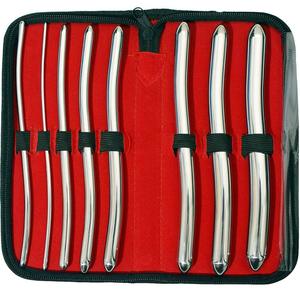
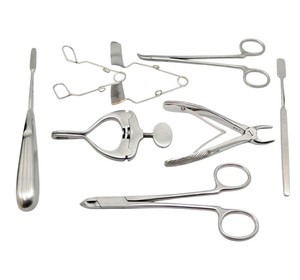
Global Leadership in Dental Extraction Forceps Sourcing & Manufacturing
In modern clinical dentistry and oral surgery, the dental extraction forceps set represents the foundational extension of the surgeon’s hand. For medical procurement directors, hospital supply chain executives, and international dental instrument brand managers, sourcing high-grade extraction forceps sets demands far more than basic price comparisons. It requires a comprehensive evaluation of metallurgical integrity, mechanical lever-ratio engineering, surface passivation longevity, and strict regulatory conformance.
Originating from decades of master forging tradition since 1976, our production infrastructure bridges time-tested craftsmanship with modern 5-axis CNC machining, vacuum heat treatment, and automated surface passivation. Operating under rigorous ISO 13485:2016, ISO 9001:2015, CE Marking (MDR 2017/745), and FDA Establishment Registration standards, we manufacture and export over 2,000 instrument variations to healthcare systems across North America, Europe, the Middle East, and Asia-Pacific.
Engineering Principles: Material Science & Force Mechanics
A superior dental forceps set must fulfill two opposing structural criteria: extreme structural rigidity at the beak interface to prevent tip deflection under rotational torque, and calibrated elasticity throughout the handle hinge to transmit tactile feedback to the practitioner without causing hand fatigue.
AISI 420J2 & 440C Martensitic Steel
We utilize certified German-grade martensitic stainless steel. Containing 0.15–0.40% Carbon and 12–14% Chromium, this refined alloy structure achieves optimal Rockwell C hardness (HRC 48–55) following vacuum heat treatment, ensuring permanent beak alignment and high tensile strength under heavy luxation force.
Tungsten Carbide (TC) & Micro-Serrations
For specialized atraumatic extraction sets, our forceps feature vacuum-brazed Tungsten Carbide inserts or laser-machined longitudinal micro-serrations. This creates maximum friction against the cementum layer, preventing tooth fracture during coronal elevation and radical luxation.
ASTM A967 Chemical Passivation
Every completed instrument undergoes ultrasonic cleaning and nitric-citric chemical passivation. This process extracts free iron molecules from the surface layer, building a continuous Chromium Oxide (Cr₂O₃) protective film that guarantees absolute resistance against pinhole pitting and stress corrosion cracking.
| Alloy Grade / Feature | Hardness (Rockwell C) | Primary Clinical Application | Autoclave Life Cycle Span | Passivation Standard |
|---|---|---|---|---|
| AISI 420J2 Surgical Steel | HRC 48 - 52 | Universal Extraction Forceps, Uterine Sounds, Dilators | 800 - 1,200 Cycles | ASTM A967 / ISO 16061 |
| AISI 440C High-Carbon Steel | HRC 54 - 58 | Bone Rongeurs, Kerrison Rongeurs, Bone Chisels | 1,500+ Cycles | ASTM A967 Standard |
| Tungsten Carbide (TC) Inserts | HRC 68 - 72 (Tip Insert) | Atraumatic Forceps, TC Needle Holders, TC Scissors | 2,000+ Cycles | ISO 13485 Controlled |
| Titanium Nitride (TiN) Coating | Surface HV > 2200 | Micro-Neurosurgical & Dark-Finish Ophthalmic Kits | 2,500+ Cycles | Biocompatible PVD Gold/Black |
Future B2B Procurement Trends in Dental & Surgical Forceps Supply
Analyzing key shifts in clinical demand, regulatory enforcement, and procurement strategies shaping the global medical instrument market over the next decade.
1. Ergonomic Weight Reduction & Matte Finishing
Modern clinical teams demand lightweight forceps designed with hollow, mathematically contoured handles to minimize Repetitive Strain Injuries (RSI) during prolonged procedures. Furthermore, mirror-polished instruments are increasingly being replaced by satin matte and bead-blasted anti-glare surfaces that eliminate reflection under high-intensity OR LED surgical lighting.
2. UDI Serialization & Digital Traceability
Driven by US FDA UDI (Unique Device Identification) and EU MDR 2017/745 mandates, global buyers now require direct laser-etched Data Matrix barcodes on individual forceps handles. This allows hospital Central Sterile Services Departments (CSSD) to track instrument sterilization counts, maintenance history, and inventory lifecycle automatically.
3. Specialized Atraumatic & Root-Specific Kits
The rise of immediate implantology requires non-invasive tooth extraction that preserves alveolar bone structure. As a result, demand is surging for specialized root tip forceps sets, deep-gripping narrow-beak forceps, and mucoperiosteal preservation tools tailored for immediate post-extraction implant placement.
Custom OEM/ODM Manufacturing & Private Labeling Capabilities
As a vertically integrated enterprise backed by over 50 years of forging experience in Sialkot and global operational hubs in the UK, Canada, and Saudi Arabia, we provide end-to-end custom production for international medical brand owners and distributor networks.
Custom Laser Branding & Etching
Precision fiber laser marking for customer logos, part numbers, CE marks, trace batch codes, and custom barcode configurations without compromising the passive chromium oxide protective layer.
Modular Cassette & Kit Assembly
Custom packaging solutions including autoclavable stainless steel sterilization cassettes, silicone-grommeted instrument trays, custom blister packaging, and retail box artwork for direct market distribution.
Full Regulatory Support Dossiers
Provision of complete Technical Files, Declarations of Conformity, Raw Material Inspection Certificates (EN 10204 3.1), and Bio-compatibility Test Reports to accelerate local regulatory registrations.
Frequently Asked Questions (B2B Sourcing FAQ)
Addressing essential technical, legal, and logistic considerations for international procurement teams.
Partner with China's Premier Dental Forceps Set Supplier
Connect directly with our engineering and international export team to request wholesale product catalogues, OEM custom pricing schedules, and evaluation samples.
Inquire Now