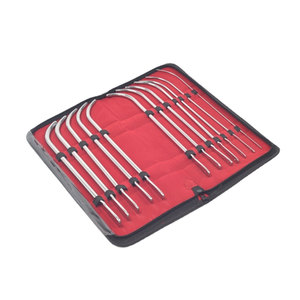
Export-Grade Surgical Suite
Featured Precision Medical & Plastic Surgery Instruments
Explore our high-demand medical instruments engineered from German-standard AISI 420/440 stainless steel. Designed for extreme tactile feedback, longevity, and repeated autoclave sterilizations.
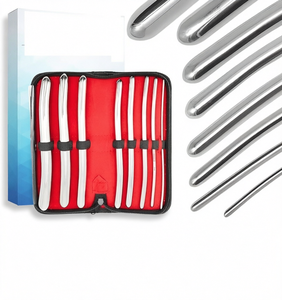
Surgical 8 Hegar Medical Dilator Sounds Set 7.5" Double Ended Instrument Gynecological Surgical Instruments
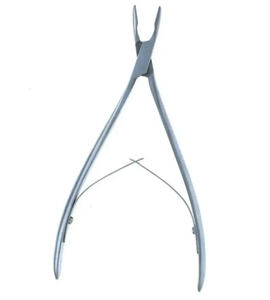
Orthopedic Surgical Bone Rongeur Cutting Forceps for Bone Formation and Facial Reconstruction Surgery
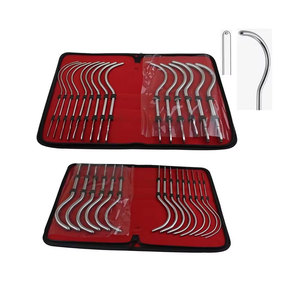
Best Quality Reusable Regal Impex Urethral Bougies Gynecology Dilators Urinary/Uterine Sounds Curved Set 15/8/36 Instruments
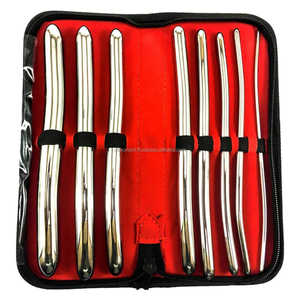
8 Pcs CE Certified Debonairii Veterinary Surgical Instruments OEM Private Label Hegar Uterine Sounds Dilator Set Steel Class I
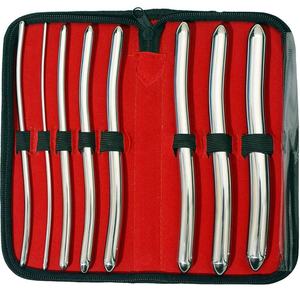
Hegar Uterine Dilator Sounds Double Ended 8 Piece Set in Stainless Steel Customizable Gynecology Urethral Surgical Instruments
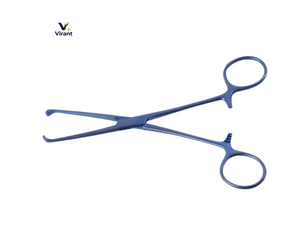
Virant Basic Veterinary Instrument Set Manual Reusable German Stainless Steel Surgical Kits CE ISO13485 Approved Class I 1 Year
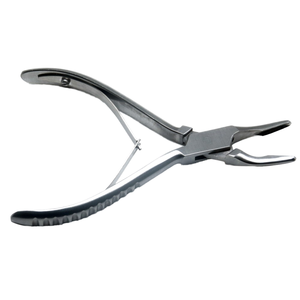
Dental Bone Rongeur Friedman 14cm Manual Surgical Forceps Steel Precision Trim Recontour Cutting Instrument
Industry Whitepaper & Technical Benchmark
Direct Manufacturing Strengths: Navigating Chinese Sourcing for Aesthetic & Plastic Surgery Instrumentation
Sourcing plastic surgery tools requires strict tolerance thresholds, ergonomic precision, and complete material certification. Here is how our certified production facility outperforms standard market trading houses.
Metallurgical Superiority & Raw Material Traceability
We strictly utilize German-grade AISI 420 and 440C martensitic stainless steel, as well as Medical-Grade 5 Titanium (Ti-6Al-4V ELI). Every raw steel batch undergoes spectrographic analysis to verify chromium content (12%-14%) and carbon ratios before forging. This ensures optimal hardness (Rockwell HRC 50–56) following heat treatment, preventing jaw deformation, spring fatigue, or surface pitting during high-pressure chemical sterilization cycles.
Micro-Tolerances & CNC Hand-Finished Artistry
Plastic, facial reconstructive, and rhinoplasty procedures demand non-glare, micro-serrated tips with tolerances under ±0.01mm. Our facility combines 5-axis CNC automatic milling with time-honored hand-fitting by master artisans. Box-locks, ratchet teeth, and scissor edges are individually honed to deliver fluid resistance, preventing hand fatigue during multi-hour aesthetic surgical operations.
Regulatory Compliance & MDR Audit Readiness
All instruments are produced under ISO 13485:2016 and ISO 9001:2015 Quality Management Systems. We maintain active FDA facility registrations and comprehensive technical documentation for European Union Medical Device Regulation (EU MDR 2017/745) Class I/Ir compliance. Every shipment is accompanied by Mill Test Certificates (MTC), Passivation Validation Test Reports (ASTM A967), and Declarations of Conformity.
| Steel Grade / Material | Hardness Range (HRC) | Primary Clinical Applications | Key Manufacturing Advantage |
|---|---|---|---|
| AISI 420 Stainless Steel | 50 - 54 HRC | Tissue Forceps, Hemostatic Clamps, Retractors, Hegar Dilators | High tensile strength, optimal spring tension, superior corrosion resistance. |
| AISI 440C Stainless Steel | 54 - 58 HRC | SuperCut Scissors, Osteotomes, Rongeurs, Bone Chisels | Elevated carbon content ensuring razor-sharp cutting edges and longevity. |
| Tungsten Carbide (TC) Inserts | 70+ HRC Equivalent | Needle Holder Jaws, Micro-Dissection Scissors | Gold-ring handle identification; 5x wear-resistance over standard steel. |
| Titanium Grade 5 (Ti-6Al-4V) | Non-Magnetic | Microsurgical Ophthalmic & Plastic Surgery Forceps | 40% lighter than steel, zero glare, ideal for delicate micro-vascular reconstruction. |
Strategic Market Intelligence
Future Procurement & Technological Trends in Plastic Surgery Instruments (2025–2030)
As surgical techniques evolve toward minimally invasive procedures and high-definition microsurgery, procurement teams must adapt to shifting manufacturing standards and material innovations.
1. Black DLC & Anti-Reflective Nano-Coatings
Modern operating rooms utilize high-intensity LED surgical lighting and 4K ultra-high-definition cameras. Traditional mirror-polished steel reflects severe glare, inducing surgeon eye strain. Future procurement trends show a rapid transition toward Diamond-Like Carbon (DLC) matte black finishes and satin passivation, offering superior surface hardness, reduced friction, and absolute anti-glare protection during microsurgery.
2. Atraumatic Liposuction & Autologous Fat Grafting Systems
The global demand for natural body contouring has elevated the technical specs for fat harvesting equipment. Modern plastic surgery factories are shifting from traditional high-vacuum cannulas to multi-port, electropolished atraumatic cannulas with laser-delineated hole patterns. Internal lumen smoothness prevents adipocyte cell rupture, significantly improving fat cell survival rates in facial and breast reconstruction.
3. Digital Traceability & Laser-Etched UDI Tracking
Global hospital procurement standardisation mandates full lifecycle traceability. High-end Chinese exporters are integrating GS1-compliant Unique Device Identification (UDI) 2D DataMatrix laser-etching directly onto instrument handles. This enables automated sterilization tracking, asset management, and instant verification of instrument maintenance histories across hospital network supply chains.
4. Consolidation of OEM Supply Chains & Custom Kit Bundling
Hospital procurement divisions are moving away from fragmented vendor sourcing. The trend favors single-source OEM manufacturers capable of supplying complete, specialized procedure trays—such as Rhinoplasty Sets, Blepharoplasty Kits, and Facelift Trays—pre-packaged in customized, anodized aluminum sterilization cassettes with silicone clamp inserts.
5. Ergonomic Weight Reduction & Super-Microsurgery Precision
With lymphatic surgery and reconstructive micro-flaps becoming mainstream, tools are evolving to feature hollowed ergonomic handles, titanium alloys, and balance-calibrated centers of gravity. These features minimize micro-tremors, allowing plastic surgeons to operate continuously with maximum tactile sensitivity.
6. Eco-Friendly Passivation & Sustainable Manufacturing
Leading Chinese exporters are replacing hazardous nitric acid passivation with advanced citric acid passivation (ASTM A967 Standard) and closed-loop water filtration systems. This green manufacturing initiative complies with strict global ESG mandates while producing cleaner, chromium-enriched passive oxide surface layers.
Purchasing Guidance & Intent Mining
Frequently Asked Questions for B2B Procurement Teams
Essential technical answers regarding factory audits, custom OEM branding, material certifications, minimum order quantities (MOQ), and global shipping protocols.
What are the key technical criteria to evaluate when importing plastic surgery instruments from China?
Procurement officers should evaluate four core pillars: 1) Steel Metallurgy: Verify that cutting tools use high-carbon AISI 440C stainless steel while structural forceps use AISI 420. Request Mill Test Certificates (MTC). 2) Surface Passivation: Ensure instruments undergo citric/nitric passivation per ASTM A967 standards to prevent rust in autoclaves. 3) Action & Alignment: Inspect jaw alignment, ratchet locking smoothness, and non-glare surface finishing under magnification. 4) Quality Certifications: Confirm the supplier holds active ISO 13485:2016 certification and valid FDA/CE regulatory listings.
Do you offer OEM private labeling and custom instrument manufacturing from technical drawings?
Yes. OEM and Private Label manufacturing represents a significant portion of our output. We can forge, CNC machine, and assemble custom surgical instruments directly from customer CAD drawings, 3D models, or physical reference samples. Services include custom fiber laser etching (logo, catalog number, UDI barcode), specialized surface coatings (Titanium Gold, Black DLC, Satin), and custom-fitted sterilizing trays.
What is your Minimum Order Quantity (MOQ) for catalog items versus custom OEM orders?
For standard catalog surgical and gynecological instruments (such as Hegar dilator sets, standard forceps, and rongeurs), our baseline MOQ starts at 50 pieces per pattern. For custom OEM designs, specialized titanium micro-instruments, or bespoke surgical set packaging, the MOQ typically ranges from 100 to 300 pieces depending on forging die complexity and machining requirements.
How do you guarantee rust prevention and corrosion resistance during repeated hospital autoclaving?
Every completed instrument undergoes an automated multi-stage ultrasonic cleaning and electropolishing process, followed by chemical passivation according to ASTM A967 standards. This process removes free iron from the surface and builds a dense, protective chromium oxide layer. Batch samples are subjected to rigorous Boiling Water Tests (ASTM A380) and Autoclave Cycle Testing before final packaging to ensure zero corrosion formation.
What documentation and compliance certificates are included with export shipments?
Every commercial export order includes a full Quality Assurance Dossier: 1) Certificate of Conformance (CoC), 2) Raw Material Analysis Reports (MTC), 3) ISO 13485:2016 Factory Certificate, 4) CE Declaration of Conformity under EU MDR guidelines, 5) FDA Registration documentation for US imports, and 6) Detailed Certificate of Origin (COO) for customs clearance support.
What are the standard lead times for production and global door-to-door delivery?
Standard catalog orders are manufactured and passivated within 2 to 4 weeks. Custom OEM projects requiring new tooling or complex CNC programming typically take 4 to 6 weeks for sample approval, followed by 4 weeks for full batch production. We support air express (DHL/FedEx, 3-5 days delivery), air freight (7-10 days), and sea freight (25-35 days) with complete DDP (Delivered Duty Paid) door-to-door customs service.
Enterprise Sourcing Hub
Partner with China's Premier Medical Instrument Factory
Leveraging over 50 years of combined manufacturing heritage, our centralized production facility bridges traditional forging craftsmanship with state-of-the-art CNC micro-machining. With over 1,500 skilled technicians and engineers, we serve medical device distributors, brand owners, and hospital networks in more than 30 countries across North America, Europe, the Middle East, and Asia-Pacific.
Whether you require standard clinical supply of general surgical sets, specialized Hegar dilators, bone rongeurs, or private-label plastic surgery equipment, our engineering team provides end-to-end support—from prototype development to regulatory filing compliance.
Direct Factory Sourcing
Eliminate middleman markups and secure direct-from-factory volume pricing, rigid quality controls, and guaranteed lead times.
- Full Metallurgical Certification
- Free Laser Branding & Packaging
- DDP Express Door-to-Door Delivery
Request PDF Catalog & Factory Quote
Contact our medical engineering sales team today to receive our comprehensive 2026 Plastic & General Surgery Instrument Catalog, sample kits, and wholesale tier pricing.