Featured Wholesale Instrument Sets & Precision Tools
Explore our factory-direct surgical, dental, plastic surgery, and specialized clinical instrumentation engineered to international quality standards.
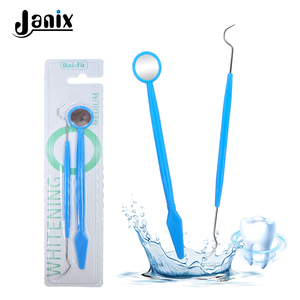
Professional Dental Cleaning Tool Set Mouth Mirror Tartar Scraper Plaque Remover Kit For Dentist & Home Oral Care
Contact Us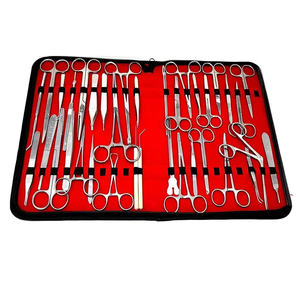
High Quality Competitive Price Plastic Surgery Instrument Set Reusable Stainless Steel Plastic Surgery Instrument For Hot Sale
Contact Us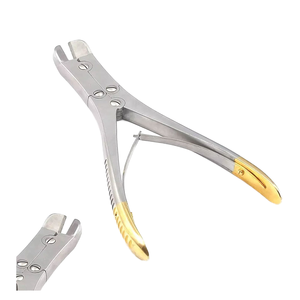
Veterinary Bone Cutting Forceps CE Certified Adjustable Ergonomic Handle Non-Slip Design Steel Instrument Class by SurgiRight
Contact Us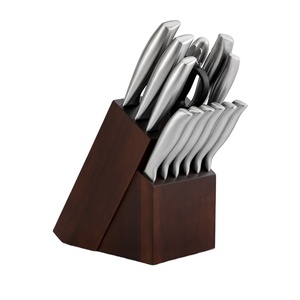
Knife Sets, German Stainless Steel Kitchen Knife Block Sets with Built-in Sharpener Scissors 14pcs
Contact Us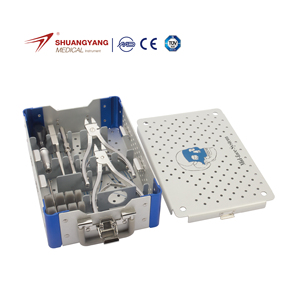
Shuangyang OEM & ODM Available Maxillofacial Instruments Kit For Facial Bone Surgery And Craniofacial Surgical Procedures
Contact Us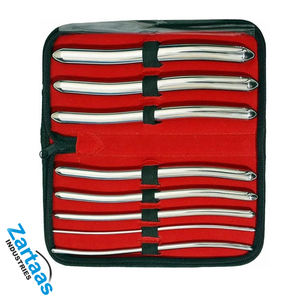
Hegar Sounds Double-Ended Set 8 Urinary/Uterine/Urethral Dilators Stainless Steel Sizes 3-4 17-18mm 20cm Convenient Pouch CE
Contact Us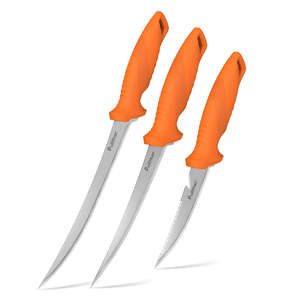
5/7/9 Inch Flexible Fillet Knife Sharp Stainless Steel Blade Non Slip Handle Fishing Set With Sheath Custom Logo
Contact Us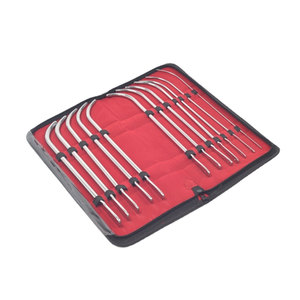
Hegar Dilators Set Stainless Steel Cervical Uterine Dilators Gynecological Surgical Medical Examination Instruments for Clinical
Contact UsPrecision Metallurgy & Structural Engineering in Hemostatic Forceps Manufacturing
In modern clinical surgery, the integrity of a hemostatic forceps set directly determines surgical outcomes, operative speed, and tissue preservation. As global hospital networks, surgical instrument distributors, and OEM brands evaluate non-domestic supply chains, partnering with premier manufacturing hubs across China and Asia has evolved into a strategic imperative. This comprehensive whitepaper explores the engineering standards, metallurgical selection, global procurement paradigms, and quality control protocols required when sourcing wholesale hemostatic clamps and surgical forceps sets.
1. Metallurgical Foundations: AISI 420 vs. AISI 440 Martensitic Stainless Steel
Hemostatic forceps—including popular variations such as Halsted-Mosquito, Kelly, Crile, Rochester-Pean, and Hartman clamps—demand a delicate technical balance between mechanical elasticity and high tensile surface hardness. Premium manufacturers utilize surgical-grade ASTM F899 / ISO 7153-1 compliant martensitic stainless steels. The primary alloys utilized in high-grade production include:
| Steel Grade Standard | Hardness Range (HRC) | Chemical Composition Key Elements | Primary Clinical Application | Corrosion Resistance Level |
|---|---|---|---|---|
| AISI 420A / 1.4021 | 42 – 48 HRC | Cr 12.0–14.0%, C 0.16–0.25% | Forceps handles, flexible shanks, non-cutting clamps | High (Optimal for repeated autoclaving) |
| AISI 420B / 1.4028 | 48 – 52 HRC | Cr 12.0–14.0%, C 0.26–0.35% | Precision jaw serrations, delicate micro-hemostats | Superior (Resists pitting & stress oxidation) |
| AISI 420C / 1.4034 | 52 – 55 HRC | Cr 12.5–14.5%, C 0.36–0.42% | Heavy-duty vascular clamps, orthopedic bone cutters | Very High (Requires specialized passivation) |
| Tungsten Carbide (TC) Inlays | 70 – 75 HRC | WC-Co Sintered Matrix (HV 1500) | Needle holder inserts & heavy hemostatic jaw faces | Maximum Wear Resistance (Gold Handle Coded) |
Through vacuum heat treatment and multi-stage tempering cycles, leading OEM facilities eliminate residual austenite phases, securing a uniform grain structure. This process prevents shank distortion while ensuring the ratchet lock mechanism retains exact holding tension over thousands of clinical autoclave cycles.
2. Mechanical Micro-Geometry & Box-Joint Integrity
The structural performance of a hemostatic clamp relies on the precise alignment of its interlocking joints. Qualified B2B manufacturers employ two primary joint designs:
- Box Joint Construction (Pass-Through Joint): The gold standard for surgical surgical clamps. One male branch passes through a slotted female branch. This prevents lateral play, ensures the jaw tip serrations align with sub-micron precision, and mitigates tissue shearing during occlusion.
- Screw Joint / Lap Joint: Primarily utilized in utility shears or lightweight diagnostic forceps. While cost-effective, it requires rigorous torque calibration during assembly to avoid loosening over time.
Precision jaw serrations—whether transverse, longitudinal, or atraumatic DeBakey-style multi-ribbed patterns—are cut via CNC wire electrical discharge machining (EDM) or high-precision broaching. This guarantees that tissue occlusion forces are uniformly distributed without causing uncontrolled vascular necrosis.
Future Sourcing & Procurement Trends in Medical Instrumentation (2025–2030)
The international procurement landscape for reusable surgical instruments is undergoing a structural transformation. Global healthcare procurement agencies, hospital group purchasing organizations (GPOs), and OEM private-label brands are updating their supply chain criteria. Understanding these shifts allows volume buyers to optimize total cost of ownership (TCO) while insulating operations against regulatory bottlenecks.
1. EU MDR 2017/745 & UDI Compliance Integration
The phase-out of the old MDD directive in favor of stringent EU MDR mandates that every reusable surgical instrument carry a permanent Unique Device Identification (UDI) code. Top-tier Chinese manufacturers now integrate high-resolution fiber laser marking directly into automated manufacturing lines, etching matrix-code GS1 formats that endure repeated chemical washing and high-temperature thermal disinfection.
2. Automated Surface Passivation & Eco-Chemical Finishing
Traditional nitric acid passivation is rapidly being replaced by environmentally responsible citric acid formulation processes compliant with ASTM A967 standards. Automated ultra-sonic cleaning and passive chromium-oxide layer building ensure that non-reflective satin and mirror finishes achieve zero surface iron contamination, virtually eliminating rust formation during shipping and storage.
3. Modular Custom Kit & Procedure Pack Sourcing
Single-piece procurement is increasingly shifting toward pre-configured, specialty-specific procedure kits (e.g., General Surgery OR Sets, Plastic Surgery Kits, Gynecological Examination Sets, Maxillofacial Trays). Wholesale buyers favor manufacturers capable of providing customized sterilization trays, laser-marked instrument organization racks, and tailored packaging solutions under a unified SKU.
Technological Breakthroughs in Hemostatic Forceps Design & Surface Engineering
The evolution of surgical hemostasis is driven by minimally invasive surgical requirements, ergonomic reduction of surgeon hand fatigue, and enhanced durability during high-throughput central sterile supply department (CSSD) processing.
1. Advanced Physical Vapor Deposition (PVD) & Ceramic Coatings
Modern surgical applications increasingly demand non-glare and ultra-hard surface finishes. Leading manufacturing lines utilize Titanium Nitride (TiN), Titanium Aluminum Nitride (TiAlN), and Diamond-Like Carbon (DLC) PVD coatings. These surface treatments offer clear advantages:
- Micro-Vickers Hardness Exceeding 2,500 HV: Dramatically reduces mechanical wear on ratchets and distal tip edges.
- Glare Reduction Under High-Intensity OR Lights: Black DLC or matte-champagne gold coatings reduce reflection under surgical microscopes and endoscopes.
- Enhanced Corrosion Resistance: Provides an extra barrier against aggressive enzymatic detergents and saline exposure.
2. Ergonomic Finger Loop Geometries & Low-Tension Locking Mechanisms
Surgeon feedback has led to revised ring-handle angles and weight-distribution ratios. By optimizing the leverage ratio between the fulcrum joint and distal tips, modern hemostatic forceps reduce the thumb-finger clamping force required by up to 25%, while increasing tip clamping pressure. The ratchet teeth are ground to micro-radii to permit smooth, tactile step-locking and instantaneous one-handed releasing during rapid surgical maneuvers.
Vertically Integrated Manufacturing & Global Supply Chain Footprint
Our enterprise ecosystem builds on over 50 years of heritage in metal forge craftsmanship, seamless quality management, and international distribution networks. By combining modern high-precision CNC machinery, vacuum heat treatment furnaces, and skilled hand-finishing artisans, we provide medical brands and distributors worldwide with an uncompromising manufacturing partner.
In-House Vertical Manufacturing
From raw steel billet forging to wire EDM cutting, stamping, multi-axis polishing, passivation, and cleanroom packaging—100% of critical manufacturing steps are performed in-house to safeguard quality consistency.
ISO 13485, CE & FDA Registration
Our production ecosystem strictly adheres to ISO 13485:2016 and ISO 9001:2015 Medical Device Quality Management Standards. Complete technical files, Declarations of Conformity, and FDA registration support smooth global market entry.
Global Distribution & OEM Support
Supplying leading healthcare systems and brands across North America, Europe, the Middle East, and Asia-Pacific. Dedicated OEM services cover private labeling, custom laser marking, and specialized kit configurations.
Frequently Asked Questions (FAQ) for Global Sourcing Managers
Clear, technical answers to common queries regarding volume procurement, custom manufacturing, material testing, and international compliance.
1. What stainless steel grades are used for your wholesale hemostatic forceps sets?
2. How do you verify passivation and corrosion resistance prior to export shipment?
- Boil Test (ASTM A967 Annex A1): Immersion in boiling distilled water for 30 minutes to verify zero surface rust formation.
- Copper Sulfate Test: Chemical inspection to verify complete removal of free surface iron particles.
- Salt Spray Chamber Testing (ASTM B117): Accelerated neutral salt spray testing up to 48 hours for demanding clinical environments.
3. What is the standard Minimum Order Quantity (MOQ) for catalog items vs. OEM custom sets?
4. Do your products comply with EU MDR, US FDA, and global regulatory registration?
5. What custom OEM and private label branding capabilities do you support?
6. What are the typical lead times for sample evaluation and volume sea/air shipments?
Partner with a Trusted OEM Surgical Instrument Manufacturer
Consult with our engineering and procurement team today to request catalog pricing, sample evaluation packs, or custom OEM technical reviews.
Contact Us