Featured OEM & Surgical Instrument Catalog
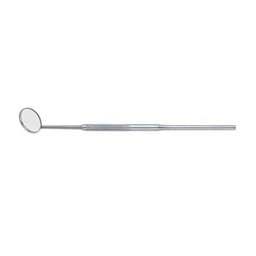
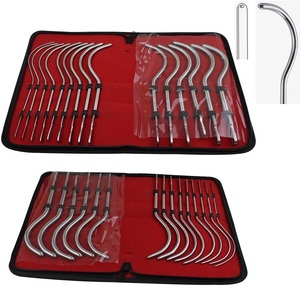
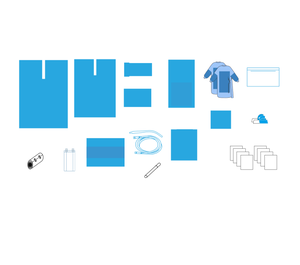
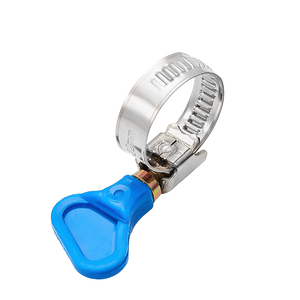
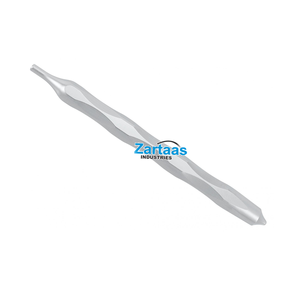
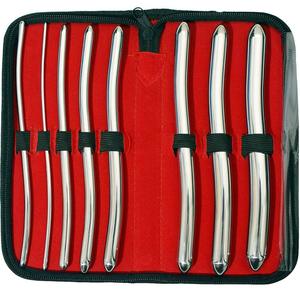
Directly manufactured surgical tools, dental mirror handles, gynecological expanders, and specialized clinical hardware crafted for global distributors.
Executive Sourcing Whitepaper: Modernizing Global Medical Instrument Supply Chains
The global procurement ecosystem for surgical, dental, and specialized medical instruments is undergoing an unprecedented structural transition. Medical device brand owners, hospital purchasing consortia, and international healthcare distributors face intensifying pressure driven by stricter regulatory enforcement—such as the European Union Medical Device Regulation (EU MDR 2017/745), the United States FDA 21 CFR Part 820 Quality System Regulation (QSR), and evolving ISO 13485:2016 audit mandates. In this heightened regulatory landscape, relying on fragmented supply chains or unverified intermediary vendors introduces substantial compliance and operational risks.
For over five decades, Suddle Group has served as an industry benchmark in contract manufacturing, original equipment manufacturing (OEM), and private-label production. Rooted in Sialkot—the recognized global epicenter of precision stainless steel instrument forging—Suddle Group combines traditional metalworking artistry with computer-controlled machining, automated passivation, and rigorous metallurgical engineering. Contracting directly with a fully vertically integrated manufacturer ensures absolute trace-ability from raw billet to finished, sterile-ready clinical tools.
Core Procurement Insight: Sourcing direct from an audited OEM factory eliminates intermediary cost layers while granting brand owners direct access to engineering change controls, custom master tooling, precise metallurgical alloy selection, and full Technical File compliance for international regulatory submissions.
Strategic purchasing managers no longer evaluate instrument suppliers strictly on initial per-unit acquisition cost. Instead, modern procurement metrics prioritize Total Cost of Ownership (TCO), functional longevity over repetitive autoclave cycles, precision jaw alignment retention, and supplier audit readiness. This whitepaper details the metallurgical principles, manufacturing processes, regulatory frameworks, and future technical trends essential for optimizing OEM contract manufacturing partnerships.
Enterprise Capability Matrix
Why Tier-1 medical device brands and healthcare systems select Suddle Group as their core contract manufacturing partner.
Vertical Integration
From initial drop forging, vacuum heat treatment, and precision CNC milling to electrochemical polishing and laser marking, 100% of manufacturing operations take place in-house under controlled quality systems.
Quality Certifications
Operating under certified ISO 13485:2016 and ISO 9001:2015 management systems. Products hold CE marking compliance under EU MDR and are produced within an FDA-registered manufacturing infrastructure.
Custom Engineering & R&D
Dedicated CAD/CAM engineering teams convert customer physical samples, blue-prints, or 3D STEP files into high-volume production tooling with precise tolerances down to ±0.01 mm.
Metallurgical Excellence & Material Science Standards
The mechanical performance and chemical durability of surgical hand instruments depend fundamentally on raw alloy selection and controlled thermal treatment processes. Surgical instruments undergo rigorous mechanical stress, cleaning with aggressive enzymatic detergents, and exposure to high-pressure saturated steam during autoclaving (typically 134°C for 18 minutes). Standard commercial-grade steels rapidly deteriorate under these conditions, resulting in pitting, stress corrosion cracking, and premature dulling of cutting edges.
Surgical Grade Stainless Steel Classifications (ASTM F899 / ISO 7153-1)
Suddle Group exclusively utilizes premium medical-grade martensitic and austenitic stainless steel alloys sourced with certified chemical heat numbers:
- AISI 420 (X20Cr13 / X30Cr13): The primary martensitic alloy utilized for hemostatic clamps, tissue forceps, retractor blades, and utility instruments. Possesses excellent ductility during hot drop forging and responds predictably to heat treatment, achieving a Rockwell Hardness of 48–52 HRC.
- AISI 440A / 440C (X90CrMoV18): High-carbon martensitic stainless steel engineered for high-wear cutting applications, including surgical scissors (Mayo, Metzenbaum), bone chisels, and rongeurs. Heat-treated to achieve peak hardness values of 54–58 HRC, ensuring lasting keenness along micro-serrated cutting edges.
- AISI 316L (X2CrNiMo17-12-2): Non-magnetic austenitic stainless steel applied primarily in structural components, non-cutting retractors, and implant placement assemblies where maximum corrosion resistance is required.
- Tungsten Carbide (TC) Matrix Inserts: High-density Wolfram Carbide inserts gold-brazed onto scissor cutting blades and needle holder jaw faces. TC jaws provide up to 5 times the operational service life of conventional steel jaws, maintaining positive needle grip without slipping or scoring suture needles.
| Material Standard | Hardness Range (HRC) | Primary Clinical Application | Key Performance Attribute |
|---|---|---|---|
| AISI 420A / B | 45 - 50 HRC | Forceps, Clamps, Retractors | Balanced flexibility, high tensile strength, deformation resistance. |
| AISI 420J2 / 440A | 52 - 56 HRC | Scissors, Elevators, Osteotomes | Superior edge sharpness retention, high wear resistance. |
| Tungsten Carbide Inserts | 70 - 72 HRC (Matrix) | Needle Holders, TC Scissors | Extreme hardness, non-slip jaw pattern, long-term durability. |
| Titanium Grade 5 (Ti-6Al-4V) | 36 - 42 HRC | Micro-Surgical & Ophthalmic Tools | Lightweight (45% lighter than steel), non-magnetic for MRI environment. |
Chemical Passivation & Surface Finishing Science
Machining and grinding operations alter the microscopic surface layer of stainless steel, leaving free iron particles that act as focal points for oxidation. Suddle Group subjects all finished instruments to a multi-stage chemical passivation process compliant with ASTM A967 and ISO 16061 standards:
- Ultrasonic Alkaline Degreasing: Removes residual lubricants, drawing compounds, and particulate matter.
- Controlled Acid Passivation: Immersion in optimized citric or nitric acid baths selectively dissolves free iron from the alloy surface while enriching the surface layer with chromium.
- Oxide Layer Formation: The ambient reaction forms a continuous, self-healing Chromium Oxide ($\text{Cr}_2\text{O}_3$) passive layer measuring 2 to 5 nanometers in thickness, conferring immunity against moisture and chemical attack.
- Boiling Water & Copper Sulfate Testing: Batch verification confirming complete elimination of surface iron and zero corrosion vulnerability.
The OEM Contract Manufacturing Lifecycle
Suddle Group operates a structured engineering process designed to take OEM clients seamlessly from concept prototyping to validated mass production.
1. DFM & Tooling Engineering
Clients submit technical drawings, CAD files, or physical samples. Our engineering team conducts Design for Manufacturability (DFM) reviews to optimize draft angles, forging dies, and CNC fixture strategies, ensuring tight repeatability across batch runs.
2. Precision Forging & CNC Machining
High-tonnage drop forging presses align steel grain structures along the contour of the instrument, enhancing mechanical toughness. Multi-axis CNC milling centers subsequently execute critical jaw geometry, box-lock fittings, and ratchet teeth.
3. Vacuum Heat Treatment
Instruments undergo thermal cycle hardening inside micro-processor-controlled vacuum furnaces, preventing surface decarburization. Controlled oil or nitrogen gas quenching achieves homogeneous core hardness according to tight HRC specifications.
4. Private Label Branding & UDI Laser Etching
Equipped with high-precision fiber laser marking systems, we engrave custom brand logos, catalog reference codes, lot numbers, and GS1-compliant Unique Device Identification (UDI) DataMatrix barcodes directly onto steel surfaces.
Future Sourcing Trends & Industry Outlook (2025–2030)
The global medical instrument manufacturing sector is experiencing rapid technological evolution. Sourcing managers and brand strategists must align their procurement roadmaps with several emerging trends:
1. GS1 & UDI Barcode Regulatory Mandates
Health authorities worldwide—including the US FDA, European Medicines Agency (EMA), and Saudi FDA—are enforcing strict UDI tracking requirements for reusable medical devices. Sub-surface laser annealing techniques ensure that UDI barcodes remain fully scannable after hundreds of automated washer-disinfector and autoclave cycles without creating crevices that harbor bioburden.
2. Rise of Hybrid & Single-Use Procedure Kits
While premium reusable instruments remain the mainstay of hospital operating rooms, there is growing demand for custom sterile procedure packs (e.g., orthopedic hip packs, minor surgery kits, emergency suture trays). Suddle Group supports contract packaging clients by manufacturing dedicated single-use instruments assembled within ISO Class 7 cleanrooms.
3. Transition to Ergonomic & Anti-Glare Surface Coatings
Modern surgical suites utilize high-intensity LED lighting and HD surgical camera systems. Traditional high-gloss mirror finishes reflect glare that causes eye fatigue for surgical teams. Consequently, procurement demand is shifting toward non-reflective satin bead-blasted finishes, dark Titanium Nitride (TiN) physical vapor deposition (PVD) coatings, and ceramic-infused protective layers.
4. Nearshoring vs. Direct-Factory Hub Sourcing
While nearshoring initiatives have gained traction, the specialized micro-craftsmanship required for hand-fitted medical instruments remains concentrated in specialized industrial hubs like Sialkot. Suddle Group bridges global logistics challenges by establishing regional distribution support offices in the UK, Canada, and Saudi Arabia, offering buyers localized client support coupled with direct-factory pricing economics.
Frequently Asked Questions
Comprehensive answers to common technical, commercial, and regulatory queries from procurement officers and OEM buyers.
Partner with a Certified OEM Master Factory
Upgrade your product catalog, streamline regulatory compliance, and secure direct factory pricing with Suddle Group. Contact our engineering team today to review your specifications or request pre-production samples.
Contact Us