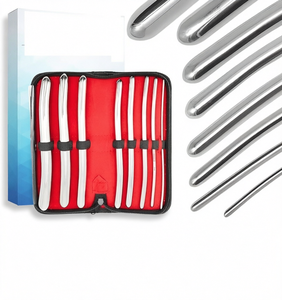
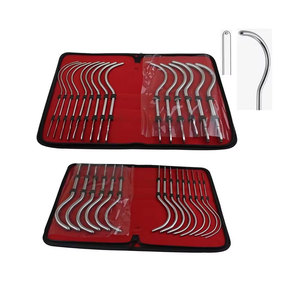
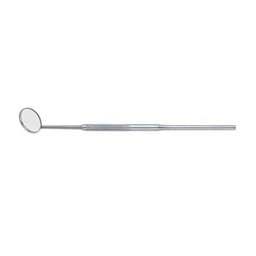
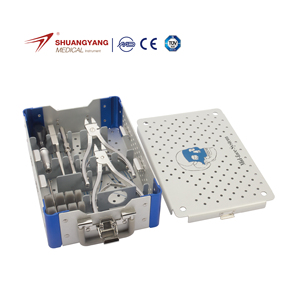
Featured Surgical & Endoscopic Instrument Sets
Engineered from surgical-grade German martensitic stainless steel, optimized for high-cycle autoclaving durability and ergonomic surgical control.
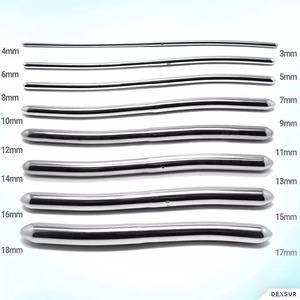
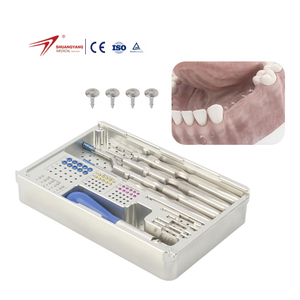
Industry Whitepaper: The Evolution of Endoscopic & Minimally Invasive Surgical (MIS) Instrumentation
The global healthcare landscape is witnessing a profound paradigm shift toward Minimally Invasive Surgery (MIS). Modern surgical interventions—spanning laparoscopy, hysteroscopy, arthroscopy, endourology, and video-assisted thoracic surgery (VATS)—demand an unprecedented standard of optical clarity, haptic feedback, and mechanical durability. As hospital procurement boards and medical device brands navigate tighter regulatory frameworks under EU MDR 2017/745 and US FDA 21 CFR Part 820, evaluating OEM/ODM manufacturing partners requires looking beyond unit pricing to assess core metallurgical engineering, process repeatability, and structural compliance.
Historically, endoscopic hand instruments faced challenges such as premature mechanical play in ratchet handles, insulation breakdown during electrocautery, and rapid jaw dulling caused by sub-optimal heat treatment. Modern contract manufacturing has solved these issues through five key technical advancements:
1. Advanced Metallurgical Selection
Transitioning to ultra-pure German martensitic stainless steels (AISI 420, AISI 440C, and 1.4116 DIN standards) provides an optimal balance of tensile strength, ductility, and Rockwell C hardness (HRC 50–55).
2. Precision CNC & EDM Machining
Replacing traditional manual hand-filing with multi-axis CNC micro-milling and Electrical Discharge Machining (EDM) achieves tolerances as tight as ±0.005 mm, ensuring seamless jaw articulation and zero play.
3. Tungsten Carbide (TC) Integration
Welding vacuum-sintered Tungsten Carbide inserts into grasper jaws and scissor edges increases instrument operational lifespan by up to 300% under continuous hospital reprocessing protocols.
Furthermore, modern surgical suites require optimized surface finishes. Glare-reducing micro-bead satin finishes and electro-passivated oxide layers prevent surgical light reflections while creating a corrosion-resistant passivation barrier capable of withstanding hundreds of high-temperature steam sterilization cycles (134°C autoclaving).
Future Sourcing Trends for Hospital Networks & Global B2B Distributors
Strategic procurement in the surgical instrument sector has evolved from spot-market buying to long-term OEM/ODM technical partnerships. Hospital supply chain executive committees and international distributors are re-engineering their vendor criteria based on four macro industry trends:
| Macro Trend | Procurement Impact | Technical Requirement | Suddle Group Solution |
|---|---|---|---|
| 1. Total Cost of Ownership (TCO) Focus | Shift away from cheap single-use plastic tools toward durable, high-cycle reusable instrumentation sets. | High mechanical fatigue resistance, fully autoclave-safe materials, replaceable modular tips. | German 420/440 steel with deep vacuum heat treatment for 500+ sterilization cycles. |
| 2. Supply Chain De-Risking | Distributors are eliminating single-origin risks by working with vertically integrated manufacturers. | In-house die forging, CNC machining, passivation, and private-label packaging under one roof. | Complete end-to-end manufacturing in Sialkot, Pakistan, supported by regional UK, CA & KSA offices. |
| 3. Regulatory Traceability & UDIs | Strict enforcement of Unique Device Identification (UDI) laser marking on all surgical hand tools. | High-precision fiber laser etching capable of surviving chemical cleaning without surface degradation. | Automated micro-laser etching for custom barcodes, GTINs, serial numbers, and private logos. |
| 4. Ergonomic & Lightweight Engineering | Reduction of surgeon hand fatigue during 4+ hour complex laparoscopic & endoscopic surgeries. | Ergonomic composite handles, lightweight titanium alloy coatings, smooth tactile feedback. | Custom handle molding and titanium nitride (TiN) glare-free surface treatments. |
Suddle Group of Industries: Heritage, Scale & Engineering Precision
Founded in 1976 in Sialkot, Pakistan—the world's historic hub for surgical instrument manufacturing—Suddle Group has grown into a vertically integrated powerhouse employing over 1,500 skilled master craftsmen and technicians. Controlling every step of the manufacturing pipeline, our facility delivers over 2,000 certified surgical, dental, endoscopic, and diagnostic instrument variations to healthcare distributors across 30+ countries.
- ISO 13485:2016 & ISO 9001:2015 Certified Quality Management Systems
- US FDA Registered Facility fully compliant with GMP / QSR standards
- CE Marked Products supported by complete MDR Technical Documentation Files
- 100% In-House Production: Drop forging, CNC milling, heat treatment & passivation
- Tungsten Carbide & Titanium Coating: Enhanced wear resistance and zero light glare
- Global Footprint: Regional sales & support operations in the UK, Canada, and Saudi Arabia
Custom OEM/ODM Manufacturing Engineering Process
Whether you are an established medical equipment brand seeking private-label manufacturing or a hospital network building custom procedure trays, our six-phase OEM engineering workflow ensures rapid concept-to-market execution with strict quality gatekeepers:
Phase 1: CAD & Technical Review
Our engineering team reviews your technical drawings, 3D STEP files, or physical reference samples to optimize geometry, shaft length, and tip articulation.
Phase 2: Rapid Tooling & Prototyping
Utilizing high-precision CNC machining and EDM tooling, we produce functional pre-production prototypes within 14–21 days for physical review and clinical feedback.
Phase 3: Metallurgical Hardening
Controlled vacuum heat treatment ensures precise HRC specs, giving scissors razor-sharp longevity and force-bearing graspers spring-flex strength.
Phase 4: Electropolishing & Passivation
Instruments undergo multi-stage chemical passivation per ASTM F1089 standards, forming a stable passive chromium oxide layer resistant to pitting and oxidation.
Phase 5: Laser Branding & UDI Etching
High-resolution fiber lasers etch your custom company logo, part numbers, lot numbers, and GS1-compliant UDI barcodes directly onto the steel.
Phase 6: Batch Testing & Final Dossier
Every batch undergoes 100% dimensional, functional, and boil-test checks, delivered alongside mill test certificates and Declarations of Conformity.
Technical Buyer's Decision Matrix: Stainless Steel Grades & Treatments
To assist medical procurement specialists, biomedical engineers, and supply chain managers in drafting precise tender specifications, the matrix below outlines the optimal material configurations for surgical and endoscopic hand tools:
| Steel / Alloy Grade | Hardness Range | Primary Application | Key Performance Advantage |
|---|---|---|---|
| AISI 420 (1.4021 / 1.4028) | 48 – 52 HRC | Hemostatic Forceps, Tissue Graspers, Needle Holders, Dilators | Excellent balance of spring flexibility, mechanical toughness, and high corrosion resistance. |
| AISI 440C (1.4125) | 54 – 58 HRC | Surgical Scissors, Osteotomes, Bone Chisels, Rongeurs | High carbon content delivering extreme edge retention and resistance to mechanical deformation. |
| Tungsten Carbide (TC) Inserts | 70 – 75 HRC | Micro-Scissors, Fine Needle Holders, Wire Cutters | Sintered tungsten carbide jaws provide a non-slip grip on suture needles and extend cutting life by 300%. |
| Titanium Nitride (TiN) Finish | Surface Hardness > 80 HRC | Laparoscopic, Ophthalmic & Neurosurgical Instruments | Golden-hued plasma coating that eliminates light reflection in the operating room while friction-proofing pivot joints. |
Frequently Asked Sourcing Questions
Clear, direct answers to technical, regulatory, and logistics queries from global B2B medical buyers.
What specific categories of surgical and endoscopic instruments does your factory manufacture?
What regulatory certifications and compliance documents accompany your shipments?
What are your Minimum Order Quantities (MOQs) for standard and OEM orders?
How do you support private label branding and custom packaging requirements?
What raw materials and passivation processes ensure long-term autoclave durability?
What are typical production lead times, sample delivery schedules, and freight options?
Can international medical distributors apply for exclusive regional distribution rights?
Ready to Elevate Your Surgical Instrument Supply Chain?
Partner directly with Suddle Group of Industries. Request our comprehensive product catalogues, order pre-production samples, or consult with our OEM engineering team today.