Architectural Precision & Metallurgy: The Blueprint of Medical-Grade Surgical Scissors Sets
In modern surgical environments, from high-volume operating theaters to specialized outpatient surgical centers, the structural integrity and cutting performance of surgical scissors sets directly correlate with procedural outcomes. As a global tier-one manufacturer and direct exporter rooted in the historic surgical manufacturing hub of Sialkot, Pakistan, Suddle Group of Industries presents this comprehensive technical guide for medical device procurement directors, hospital supply chain executives, and global healthcare distributors.
Surgical scissors are not uniform commodities; they are micro-engineered instruments requiring delicate equilibrium between tensile strength, edge sharpness retention, corrosion resistance, and tactile feedback. A single standard operating set may encapsulate disparate specialized patterns—such as heavy-tissue Mayo scissors, delicate tissue-dissecting Metzenbaum scissors, high-precision Iris micro-scissors, and specialized Tungsten Carbide (TC) reinforced blades. Achieving precise cutting action across tens of thousands of sterilization cycles demands adherence to strict international metallurgical standards including AISI 420, AISI 440 martensitic stainless steel specifications, and rigorous ASTM F1089 passivation protocols.
Specialized Surgical Scissors Taxonomy & Clinical Recommendations
A comparative procurement matrix evaluating core scissor configurations utilized in general, orthopedic, cardiovascular, and plastic surgical procedures.
Mayo Dissecting Scissors Sets
Designed for cutting tough body tissues such as fascia, tendons, and dense organ capsules. Engineered with heavy shanks and thick blades, available in straight (surface tissue trimming) and curved (deep tissue incision) variants. Manufactured with AISI 420 martensitic steel, vacuum-hardened to HRC 50–54.
Metzenbaum Precision Scissors
Crafted for delicate soft tissue dissection and isolation. Featuring thinner, longer shanks relative to blade length, providing optimized leverage and visibility during micro-dissection. Offered with standard smooth blades or micro-serrated edges that prevent tissue slippage during delicate vascular or thoracic maneuvering.
Tungsten Carbide (TC) Gold-Handle Sets
Incorporating tungsten carbide inserts seamlessly vacuum-brazed onto high-grade stainless steel blades. TC inserts deliver a diamond-hard cutting edge (HRC 70+) that retains razor sharpness up to 5 times longer than standard stainless steel. Easily identified by gold-plated finger rings in hospital inventory systems.
| Instrument Class | Primary Material | Hardness Rating (HRC) | Recommended Sterilization | Primary Clinical Application |
|---|---|---|---|---|
| Mayo Scissors (Straight/Curved) | German AISI 420 Steel | 50 - 54 HRC | Autoclave 134°C / EO Gas | Fascia, muscle, heavy connective tissue cutting |
| Metzenbaum Dissecting | German AISI 420 Steel | 52 - 55 HRC | Autoclave 134°C / EO Gas | Soft organ dissection, delicate mucosal tissue |
| Tungsten Carbide (TC) Sets | AISI 420 + TC Inserts | 70+ HRC (Edge) | Autoclave 134°C / Dry Heat | High-turnover hospital ORs, dense fibrous tissue |
| SuperCut Micro Scissors | AISI 440 High Carbon Steel | 56 - 58 HRC | Autoclave 134°C (Gentle Cycle) | Plastic surgery, ophthalmic, neurosurgical micro-cuts |
| Iris & Operating Sets | German Stainless Steel | 50 - 53 HRC | Autoclave 134°C / EO Gas | General minor surgery, suture removal, emergency room |
Enterprise Manufacturing Advantages: Why Suddle Group Leads Sialkot Export
Vertical integration, rigorous quality control, and half a century of metallurgical legacy.
Full In-House Metallurgy Control
From drop forging dies to computer-controlled vacuum heat treatment, every stage is conducted within our 19-C Nishter Road facility in Sialkot. Raw material incoming inspection verifies nickel and chromium composition before hot forging begins.
Sub-Micron CNC Machining
Scissors finger loops, box locks, and blade curvatures are finished using precision multi-axis CNC milling and wire-EDM technology. This guarantees uniform tension across scissor pairs, eliminating binding and finger fatigue during prolonged surgery.
Automated Passivation & Electropolishing
To prevent intergranular corrosion and pitting in harsh hospital cleaning chemicals, all scissor sets undergo chemical ultrasonic cleaning and nitric/citric passivation in accordance with ASTM F1089 standard test methods.
Future Sourcing & Technological Trends in Surgical Instrumentation (2025–2030)
As global healthcare systems shift toward value-based purchasing, procurement officers must anticipate changing market dynamics in surgical scissor manufacturing:
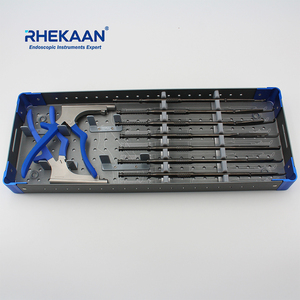
- Minimally Invasive Surgery (MIS) & Endoscopic Adaptations: Surging demand for specialized extended shaft micro-scissors, such as Unilateral Biportal Endoscopy (UBE) and arthroscopic instruments, requiring custom gold/black PVD titanium nitride coatings to reduce light reflection under endoscopic video feeds.
- Transition from Single-Use Back to High-Grade Reusables: Driven by environmental sustainability initiatives across European and North American hospital networks, buyers are replacing low-cost single-use plastic/metal scissors with high-durability, lifetime-warranted German steel TC scissors sets.
- Traceability & Unique Device Identification (UDI): Regulatory directives from the US FDA and EU MDR mandate high-density 2D DataMatrix laser etching directly on instrument shanks for seamless tracking through Central Sterile Supply Departments (CSSD).
- Supply Chain Resiliency & OEM Sourcing Consolidation: Major healthcare brands are consolidating vendor lists, preferring established manufacturers capable of handling dual surgical/dental portfolios alongside OEM private-label custom branding.
OEM & Private Label Manufacturing Framework
How Suddle Group transforms technical drawings and brand requirements into fully certified medical scissor sets.
Step 1: Engineering Consultation
Clients submit CAD designs, sample instruments, or target specifications. Our metallurgical team validates raw material selection, blade geometry, and mechanical tolerances.
Step 2: Prototyping & Sampling
Engineered prototypes are forged and finished within 14 business days. Functional testing evaluates cutting edge sharpness (per ISO 7153-1), alignment, and surface finish.
Step 3: Mass Production & Laser Marking
Batch production under ISO 13485 quality protocols. Fiber-laser marking embeds custom logos, catalog part numbers, UDI barcodes, and CE indicators directly onto stainless steel.
Procurement FAQ: Critical Insights for Global Buyers
Direct technical answers to standard supplier evaluation and quality assurance inquiries.
What types of surgical scissors sets does Suddle Group manufacture?
We manufacture over 2,000 instrument variations across general surgery, dental, orthopedic, ENT, cardiovascular, ophthalmic, neurosurgical, and gynecological specialties. Our surgical scissors line includes Mayo, Metzenbaum, Iris, Operation, SuperCut micro-scissors, and Tungsten Carbide (TC) gold-handled scissor sets, as well as specialized UBE endoscopic surgical sets.
Which quality certifications and technical documentation accompany export shipments?
All manufacturing operates under audited ISO 13485:2016 and ISO 9001:2015 quality management systems. Our facilities are US FDA registered, and products carry CE marking. Each commercial export shipment can include Declarations of Conformity, Mill Material Test Certificates (verifying AISI 420/440 composition), Passivation Inspection Certificates (ASTM F1089), and Certificate of Origin documents.
What is the standard Minimum Order Quantity (MOQ) for bulk supply and OEM contracts?
Standard catalog instrument patterns start from an accessible MOQ of 50 pieces per item. Custom OEM private-label production, specialized laser etching, or customized surgical set tray configurations typically require an initial run of 200 to 500 pieces depending on manufacturing complexity, with tier-one volume pricing available above 500 units.
What steel grades are utilized in your scissors manufacturing process?
We utilize high-grade German martensitic stainless steel, specifically AISI 420 (for optimal toughness and corrosion resistance in general shanks) and AISI 440 (for razor-sharp cutting edges in micro-scissors). For extreme durability, our premium range incorporates vacuum-brazed Tungsten Carbide (TC) inserts delivering a blade edge hardness exceeding HRC 70.
Do you offer custom procedure set assembly and sterilization container packaging?
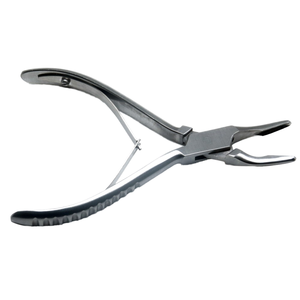
Yes. We specialize in assembling tailored surgical kits—combining surgical scissors, bone rongeurs, forceps, and needle holders into custom silicone-matted aluminum sterilization cassettes or stainless steel mesh trays, packed according to hospital tender specifications or private-label retail boxes.
What are the typical manufacturing lead times and international shipping options?
Standard catalog order fulfillment requires 2 to 4 weeks from order confirmation. Custom OEM projects take approximately 4 to 8 weeks depending on tooling needs. We provide global dispatch via Express Air Freight (3–5 days), Standard Air Cargo (7–10 days), and Ocean Freight (25–35 days), supporting FOB, CFR, CIF, and DDP terms.
How does Suddle Group ensure scissor blade alignment and smooth box-lock action?
Every individual pair of scissors undergoes hand-fitting and mechanical testing by master craftsmen in Sialkot. Technicians check cut-consistency from screw pivot to tip using standard multi-layer gauze and latex test strips to guarantee zero drag and uniform cutting pressure along the entire blade length.
How can international distributors apply for exclusive regional distribution rights?
We actively expand our international distributor network. Qualified medical supply companies can contact our sales department with company credentials, annual procurement projections, and target geographic territories to initiate contract discussions for regional distribution agreements.
Partner with Sialkot's Premier Surgical Instrument Manufacturer
Elevate your hospital supply channel or private label brand with certified German-grade steel instruments, backed by 50 years of master craftsmanship and comprehensive regulatory files.