CE Certified Surgical Instruments & Sterilization Sets
Engineered from premium German-grade martensitic stainless steel, designed for repeatable thermal sterilization cycles, and supplied with full technical documentation for importers in Argentina and international healthcare networks.
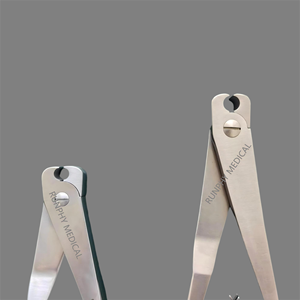
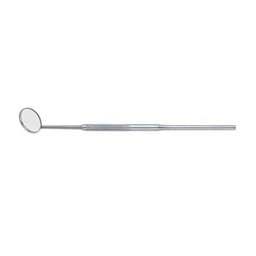

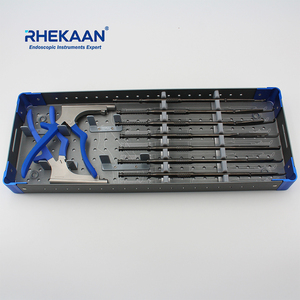
Strategic Sourcing Whitepaper: CE Certified Surgical Trays & Instrument Manufacturing for Argentina
Modern hospital systems, central sterile services departments (CSSD / Central de Esterilización), and private healthcare conglomerates across Argentina—including major networks in Buenos Aires, Córdoba, Rosario, and Mendoza—are navigating complex regulatory shifts and supply chain demands. Sourcing high-grade surgical instrument trays, sterilization cassettes, and specialized procedure sets requires balancing stringent technical compliance with economic efficiency.
Argentina’s healthcare infrastructure demands medical devices that fully satisfy the standards set by ANMAT (Administración Nacional de Medicamentos, Alimentos y Tecnología Médica) under regulations such as Disposición ANMAT 2318/02. As healthcare providers upgrade surgical facilities to support advanced minimally invasive procedures, orthopedic reconstructions, and specialized dental implantology, the need for international manufacturing partners who deliver proven Information Gain—verifiable metallurgical quality, ISO 13485 certification, and complete CE documentation—has become critical.
ANMAT Regulatory Alignment
Full technical dossiers, including Free Sale Certificates (FSC), ISO 13485:2016 audit reports, and CE Declarations of Conformity engineered to expedite PM (Productos Médicos) registration in Argentina.
Sterilization Longevity
Fabricated from AISI 316L stainless steel, anodized aluminum, and high-impact PPSU materials engineered to endure 5,000+ steam autoclave cycles at 134°C (EN 285 / ISO 17665).
Direct OEM Integration
Custom laser-etching of UDI matrix codes, corporate logos, and specialized internal silicone fixing studs tailored for customized surgical procedure kits.
Engineering & Metallurgical Benchmarks for Surgical Sterilization Trays
Surgical trays serve as the primary defensive barrier preserving instrument precision, mechanical alignment, and sterility throughout transport and reprocessing cycles. Inferior materials lead to passivation layer breakdown, micro-pitting corrosion, and compromised tray latch mechanisms under high-pressure steam environments.
Technical Focus: Passivation & Corrosion Prevention Standards
Every surgical tray and hand instrument manufactured by Suddle Group undergoes electrochemical polishing followed by citric or nitric acid passivation in strict accordance with ASTM F1089 (Standard Test Method for Corrosion of Surgical Instruments). This guarantees an impenetrable chromium oxide film ($Cr_2O_3$) capable of resisting aggressive enzymatic detergents and high-salinity organic residues encountered during surgery.
Request Technical Dossier & Passivation Test ReportsMaterial Selection Matrix for Surgical Cassettes & Trays
| Component Category | Primary Material Grade | International Standard | Performance Profile & Advantage |
|---|---|---|---|
| Perforated Tray Base & Lids | AISI 304 / AISI 316L Stainless Steel | DIN 1.4301 / DIN 1.4404 | High corrosion resistance, superior structural rigidity, smooth burr-free perforations ensuring optimal steam penetration. |
| Cutting & Clamping Instruments | AISI 420 / AISI 440 Martensitic Steel | DIN 1.4021 / DIN 1.4117 | Vacuum heat-treated to HRC 50–55. Maintains extreme blade sharpness and rigid jaw alignment without fracture risk. |
| Instrument Fixing Inserts | Medical-Grade Medical Silicone | ISO 10993 Biocompatible | Vibration-dampening profile, heat resistant up to 160°C, custom-molded to prevent physical contact between delicate instrument tips. |
| Lightweight Endoscopic Trays | Anodized Aluminum Alloy 6061-T6 | EN AW-6061 | 40% lighter than traditional steel trays, color-coded hard anodized surface layer (25 microns) for specialty identification. |
Localized Application Scenarios Across Argentine Medical Specialties
To serve the diverse requirements of Argentina's public healthcare sector (such as hospital networks under the Ministerio de Salud) and private prepayment health plans (Prepagas like OSDE, Swiss Medical, and Galeno), instrument tray configurations are tailored to specialized surgical fields:
Spine & Orthopedic Surgery (UBE & OLIF)
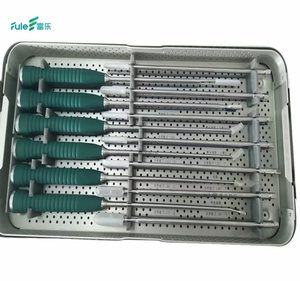
Unilateral Biportal Endoscopy (UBE) and OLIF procedure trays require extra-deep perforated steel cassettes with customized silicone holding bridges. Designed to securely accommodate heavy-duty Kerrison rongeurs, pituitary forceps, osteotomes, and bone chisels without damaging precision tungsten carbide tips.
Dental Implantology & Maxillofacial GBR
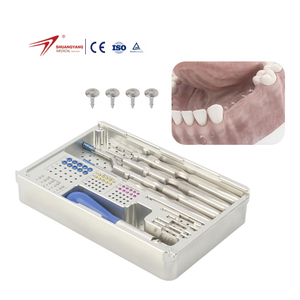
Guided Bone Regeneration (GBR) kits feature compact, autoclavable micro-cassettes with precision-drilled slots for bone tacks, titanium screws, placement drivers, and tissue membrane forceps. Ensures organized chairside delivery and rapid turnaround in high-volume dental clinics.
Gynecological & General Operating Rooms
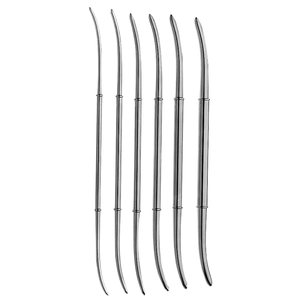
Standardized DIN-sized surgical trays containing complete general laparotomy or double-ended Hank Uterine Dilator sets. Featuring dual safety locking latches, filter retention lids for steam sterilization, and smooth corner radiuses to prevent tear hazards in sterile wrap packaging.
Veterinary Orthopedics & Small Animal Clinics
Gold-titanium coated fracture repair kits and specialized wire cutter trays optimized for veterinary surgical centers. Offers high wear resistance against frequent heavy cleaning cycles and aggressive chemical disinfectants.
Suddle Group: Four Decades of Sialkot Precision Engineering
Founded in 1976 in Sialkot—the international epicenter of handcrafted medical instrumentation—Suddle Group of Industries has grown into a vertically integrated manufacturer supporting distributors, hospital groups, and OEM brand owners in over 30 countries.
Vertically Integrated Manufacturing
We maintain 100% control over the manufacturing lifecycle: hot drop forging, multi-axis CNC machining, vacuum thermal hardening, hand assembly by senior master craftsmen, ultrasonic cleaning, and automated passivation.
- 1,500+ Skilled Workers: Expert die-makers and metal artisans.
- 2,000+ Active Catalogue Items: Complete surgical and dental spectrum.
- In-House Metallurgical Testing: Hardness (HRC), spectral analysis, and corrosion testing.
Global Quality & Regulatory Dossier
Our facilities operate under audited Quality Management Systems certified to international medical standards, ensuring rapid registration and entry into Latin American markets.
- ISO 13485:2016 & ISO 9001:2015: Certified quality system.
- CE Marking: Full conformity under European Medical Device Regulations.
- FDA Registered Facility: Compliance with US FDA GMP requirements.
- DIN & EN Standard Reference: Exact dimensional pattern matching.
Step-by-Step OEM & Sourcing Process for Argentine Importers
Navigating international procurement requires structured steps to verify product samples, finalize custom CAD tray designs, compile ANMAT technical files, and establish reliable shipping options into major Argentine ports of entry (such as Puerto de Buenos Aires or Aeropuerto Internacional de Ezeiza EZE).
Engineering Review
Submit your tray layout, sample photos, or technical CAD drawings. Our engineers verify tray dimensions, silicone stud positions, and steel material specifications.
Prototype & Approval
Production of pre-master samples and prototype sterilization trays. Physical testing of latch durability, steam flow efficiency, and instrument positioning.
Controlled Batch Production
Batch forging and CNC fabrication under ISO 13485 oversight. Laser etching of custom brand names, UDI codes, and custom tray identification labels.
ANMAT Files & Shipping
Dispatch of batch Certificates of Analysis (CoA), material mill test certificates (3.1), and CE Declarations alongside air/sea freight logistics support.
Comparative Sourcing Guide: Direct Manufacturer vs. Intermediary Suppliers
When selecting a manufacturing partner for surgical instrument trays serving Argentina, procurement officers must evaluate long-term reliability against initial unit cost:
| Evaluation Parameter | Direct Factory (Suddle Group) | Trading Companies / Intermediaries | High-Cost European Brands |
|---|---|---|---|
| Metallurgical Traceability | 100% Guaranteed: Raw steel mill test reports provided per batch. | Limited: Sourced from multiple unverified sub-tier suppliers. | High: Fully documented steel origin. |
| Custom Tray Modification | Direct CAD Customization: Tailored silicone layouts & sizes. | Fixed: Only standard stock catalogue items offered. | Expensive: High minimum tooling and engineering fees. |
| Unit Cost Structure | Optimal B2B Pricing: Direct factory-gate pricing. | Inflated: Added distributor margins (30%–50% markup). | Premium: 300%–500% brand equity price markup. |
| Regulatory Dossier Support | Complete Support: ISO 13485, CE, FSC files for ANMAT registration. | Incomplete: Often lacks direct manufacturer authority letters. | Complete: But restricted to exclusive brand channels. |
Frequently Asked Questions by Medical Procurement Teams in Argentina
Below are clear, direct answers to common questions regarding customs clearance, ANMAT paperwork, minimum order quantities, and technical specifications when importing surgical instrument trays into Argentina.
Partner with a Premier CE Certified Instrument Manufacturer
Expand your product portfolio in Argentina with ISO 13485 certified surgical trays, custom sterilization cassettes, and precision surgical instruments direct from our Sialkot factory.