Featured Precision Surgical Kits & Micro Instrumentation
Explore our ISO 13485 and CE-certified surgical suites engineered for clinical precision across ophthalmic, microsurgical, and general hospital operating theaters in Israel.
1. Technical Executive Overview: Sourcing Ophthalmic Micro Instruments for Israeli Healthcare
Ophthalmic surgery is one of the most micro-precise disciplines in contemporary medicine, demanding surgical hand instruments engineered to microscopic tolerances. In Israel's advanced healthcare ecosystem—comprising world-renowned medical centers such as Sheba Medical Center (Tel Hashomer), Tel Aviv Sourasky Medical Center (Ichilov), Hadassah University Medical Center in Jerusalem, and Rambam Health Care Campus in Haifa—surgeons require micro-forceps, micro-scissors, and needle holders that provide absolute tactile feedback, zero jaw drift, and flawless anti-glare finishes under surgical microscopes.
As a vertically integrated OEM manufacturer established in 1976, Suddle Group of Industries brings five decades of metallurgical mastery to the Israeli market. Sourcing medical devices into Israel requires strict compliance with the Ministry of Health (MOH) AMAR registration framework (אמ"ר - אביזרים ומכשירים רפואיים), ISO 13485:2016 Quality Management Systems, and European CE MDR alignment. Our dedicated ophthalmic production line fulfills these stringent technical, regulatory, and mechanical criteria for medical device importers, hospital procurement officers, and private label distributors operating throughout Israel.
German AISI 420 & 440C Steel
Forged exclusively from certified high-carbon martensitic stainless steel. Hardened to 50-55 HRC for edge sharpness retention and mechanical resilience during repeated autoclave cycles.
Titanium Grade 5 Alloy Options
Ultralight non-magnetic titanium microsurgical tools designed specifically for anterior and posterior segment procedures, eliminating hand fatigue during lengthy vitreoretinal operations.
Ebonized Anti-Glare Coating
Black vacuum-deposited physical vapor coating (PVD) to eliminate reflection under high-lumen operating room light sources and microscopic illumination setups.
2. Engineering Specifications: Micro-Instrument Metallurgy & Tolerances
Procurement departments across Israeli HMOs (Clalit, Maccabi, Meuhedet, and Leumit) require verifiable technical parameters to satisfy hospital tender boards. The table below outlines our standardized manufacturing benchmarks for ophthalmic microsurgical tools.
| Instrument Discipline | Metallurgical Composition | Tip / Jaw Dimension Range | Surface Passivation & Finish | Primary Surgical Application |
|---|---|---|---|---|
| Capsulorhexis Forceps | German Stainless 420 / Titanium Ti-6Al-4V | 0.12 mm – 0.25 mm ultra-fine curved tips | Satin Matte / Ebonized Black PVD | Continuous curvilinear capsulorhexis (CCC) in cataract procedures |
| Vannas Micro Scissors | AISI 440C High-Carbon Stainless Steel | 5 mm – 8 mm micro-blades (Straight/Curved) | Electropolished Passivated (ASTM F899) | Iridectomy, capsulotomy, and fine corneal tissue dissection |
| Micro Needle Holders | Tungsten Carbide (TC) Jaws + Stainless Frame | Smooth or 0.2mm pitch serrated jaws (10-0 / 11-0 sutures) | Satin Finish with Gold-Plated Rings | Corneal transplant re-attachment and scleral closure |
| Vitreoretinal Forceps (23G / 25G / 27G) | Nitinol / Titanium Core Shaft & Jaws | 23-gauge, 25-gauge, and 27-gauge microsurgical shafts | Non-Reflective Anodized Titanium Finish | Epiretinal membrane peeling & macular hole surgery |
| Iris & Fixation Forceps | AISI 420 Martensitic Steel | 1x2 teeth (0.12 mm tooth size) with tying platform | Satin Matte Anti-Glare Finish | Scleral fixation, iris manipulation, tissue stabilization |
3. Localized Clinical Application Scenarios Across Israel's Healthcare Infrastructure
Israel's ophthalmic surgical sector operates at the intersection of academic clinical trial leadership and high-volume ambulatory eye surgery. The deployment of Suddle Group's micro-instruments is structured around three primary localized clinical settings:
A. Tel Aviv & Central District: Ambulatory Surgical Centers (ASCs)
In high-throughput day-surgery centers like Assuta Medical Center in Ramat HaChayal, high turnover requires micro-instruments engineered to withstand rapid automatic washer-disinfector and steam autoclave cycles without joint stiffness or jaw misalignment. Our satin-passivated capsulorhexis forceps and phaco-choppers deliver consistent mechanical performance over thousands of continuous surgical turns.
B. Jerusalem Academic Hospitals: Complex Corneal & Reconstructive Surgery
At university teaching institutions such as Hadassah Ein Kerem, microsurgeons performing Deep Anterior Lamellar Keratoplasty (DALK) and Descemet's Stripping Automated Endothelial Keratoplasty (DSAEK) utilize our micro-scissors and micro-tying forceps. Tips crafted down to 0.10mm ensure flawless handling of ultra-delicate 10-0 and 11-0 monofilament sutures.
C. Northern & Southern Districts: Vitreoretinal & Trauma Centers
Regional trauma hubs like Rambam Health Care Campus in Haifa and Soroka Medical Center in Beer Sheva handle urgent posterior segment ocular trauma. Suddle Group's 23G, 25G, and 27G vitreoretinal micro-forceps feature smooth tactile spring-action handles that allow retina specialists to maneuver effortlessly near sensitive macular zones.
4. Emerging Localized Trends in the Israeli Ophthalmic Microsurgery Market
The medical device landscape in Israel is evolving rapidly. Sourcing officers and medical importers must align their supply lines with critical clinical trends reshaping surgical demands across the country:
1. Expansion of Micro-Incisional Glaucoma Surgery (MIGS)
Israeli ophthalmologists are increasingly adopting MIGS procedures to treat open-angle glaucoma alongside routine phacoemulsification. This shift has driven sharp demand for specialized goniotomy blades, micro-trabeculotomy forceps, and ultra-precise gonio-lens positioning rings designed for sub-2.0mm micro-incisions.
2. Demand for Cost-Effective Custom Sterilization Trays
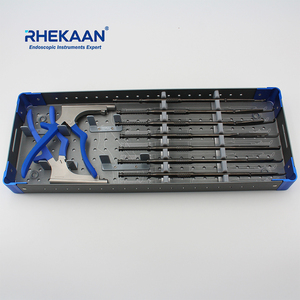
With escalating hospital operational costs, Israeli procurement teams are moving away from piecemeal instrument buying toward pre-configured, serialized ophthalmic procedure sets housed in anodized aluminum sterilization cassettes. This minimizes instrument handling damage and speeds up operating theater turnarounds.
3. Stringent AMAR & EU MDR Regulatory Harmonization
The Israeli Ministry of Health (MOH) updated its AMAR directives to closely echo European Union MDR (2017/745) standards. Importers in Tel Aviv and Haifa can no longer register medical tools without complete technical master files, bio-compatibility testing (ISO 10993), and full material heat-number traceability.
4. Growth of Private Healthcare Networks & OEM Branding
Private hospital groups across Israel are developing their own branded microsurgical instrument lines. Our OEM private-label manufacturing program enables Israeli distributors to supply custom laser-etched instruments with personalized branding, barcode serialization, and tailored packaging.
6. Frequently Asked Questions by Israeli Importers & Procurement Teams
Here are clear answers to the most common questions raised by medical device buyers, regulatory managers, and hospital purchasing officers in Israel.
We supply complete technical dossiers required by the Israeli Ministry of Health (MOH) for AMAR (אמ"ר) approval. This includes ISO 13485:2016 certificates, Declarations of Conformity under EU MDR, material safety data sheets (MSDS), raw material certificates per ASTM F899, bio-compatibility reports, and autoclave sterilization validation protocols.
We manufacture using certified German-grade AISI 420 martensitic stainless steel for spring-loaded forceps frames, and high-hardness AISI 440C stainless steel for scissor cutting edges. We also supply Grade 5 Titanium (Ti-6Al-4V) for non-magnetic micro-instruments and offer Tungsten Carbide (TC) inserts for suture needle holders.
Yes. Through our advanced Fiber Laser Marking system, we etch custom department names, hospital logos, SKU part numbers, GS1 DataMatrix barcodes, and batch numbers onto the handles or shafts of all instruments. This simplifies inventory tracking across hospital central sterile supply departments (CSSD).
For standard catalogue patterns, our baseline Minimum Order Quantity starts at 50 pieces per item code. For custom OEM designs, bespoke tip geometries, or private-label instrument sets, MOQ typically ranges between 100 to 300 pieces depending on engineering complexity.
We provide flexible shipping logistics including Express Courier Air (DHL, FedEx, UPS) arriving at Ben Gurion Airport (TLV) within 3 to 5 business days, Air Freight to TLV cargo terminals, or Ocean Freight servicing the Port of Ashdod and Port of Haifa. All shipments include detailed commercial invoices, packing lists, and Certificate of Origin documents.
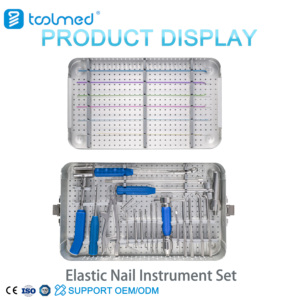
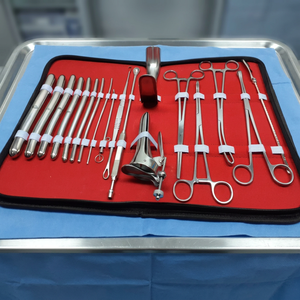
Yes. We assemble full surgical procedure kits—such as Cataract Phaco Sets, Vitreoretinal Kits, Glaucoma Surgery Sets, and Corneal Transplant Sets—housed in custom autoclavable silicone-pin aluminum trays or stainless steel sterilization wire baskets.
Every instrument undergoes rigorous vacuum heat-treatment to establish uniform crystalline steel hardness, followed by automated passivation per ASTM F899 to build a passive chromium oxide layer. Jaws and box-locks are hand-aligned under 40x magnification microscopes to guarantee long-term alignment even after repeated steam sterilization cycles at 134°C.
Partner with a Trusted Global Ophthalmic Instrument Manufacturer
Equip your healthcare network or distribution catalog with German-grade ophthalmic microsurgical tools built to exact ISO 13485 standards. Connect directly with our OEM export team for technical specifications, product samples, and direct factory pricing for the Israel market.