Featured Autoclavable Surgical & Dental Hand Tools
Precision-engineered, reusable stainless steel instruments tested for up to 1,000+ steam autoclave cycles under US infection control standards.
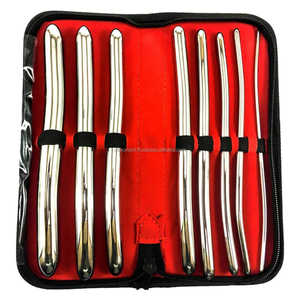
8 Pcs CE Certified Debonairii Veterinary Surgical Instruments OEM Private Label Hegar Uterine Sounds Dilator Set Steel Class I 1
Inquire Now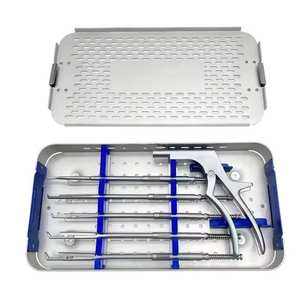
Astrin Surgical Stainless Steel Orthopedic Kerrison Rotating Rongeur Interlaminar Spine Surgery Instrument Set Veterinary
Inquire Now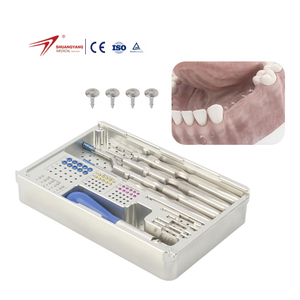
Shuangyang Simplified Surgical Procedures Dental Master GBR Bone Tack Kit Class III CE/ISO Certified
Inquire Now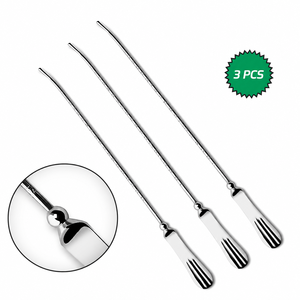
Curved 13” Sims Uterine Sounds Malleable 3 Pcs Set OB/GYN Surgical Instruments SUAVE SURGICAL INSTRUMENTS
Inquire Now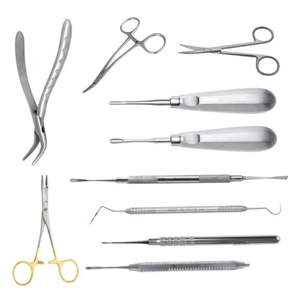
High Quality General Surgery Instruments Set Reusable Stainless Steel Surgical Tools with Customized Packaging
Inquire Now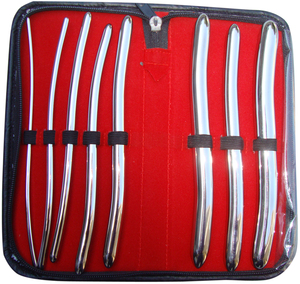
8 Pcs Hegar Dilator Set Kit Uterine Urethral Diagnostic Surgical Cervical Sounds Gynecology Surgical Hegar Surgical Instruments
Inquire Now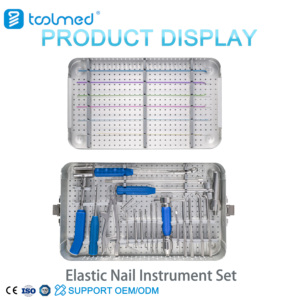
Executive Summary: The United States Market for Autoclavable Surgical Tools
The US market for reusable surgical instruments is experiencing a profound transformation. Driven by the rapid expansion of Ambulatory Surgery Centers (ASCs), stringent hospital infection-prevention protocols under ANSI/AAMI ST79, and rising pressure on healthcare facility supply chains, procurement officers are increasingly scrutinizing instrument longevity, chemical passivity, and raw material provenance.
Autoclavability—the ability of an instrument to endure repeated saturated steam sterilization at 132°C–135°C (270°F–275°F) without jaw degradation, pivot friction, pitting corrosion, or structural fatigue—is the single most vital metric for evaluating surgical hand tool performance. This whitepaper analyzes the top 10 autoclavable surgical tool manufacturers supplying US healthcare networks, evaluates technical metallurgy specifications (ASTM F899 420 vs 440C stainless steel), and presents actionable insights for B2B procurement teams, Group Purchasing Organizations (GPOs), and OEM private-label distributors.
Top 10 Autoclavable Surgical Tools Manufacturers Servicing the US Market
The following evaluation categorizes the leading manufacturers and OEM partners supplying operating rooms, outpatient clinics, and specialty dental/veterinary practices across the United States.
Overview & US Position: Established in 1976, Suddle Group operates an expansive vertically integrated manufacturing infrastructure in Sialkot, Pakistan, supported by regional logistics hubs in the UK, Canada, and Saudi Arabia, serving major US medical device distributors. Employing over 1,500 skilled craftsmen, Suddle Group produces over 2,000 variations of OR-grade surgical and dental hand tools.
Metallurgy & Autoclave Longevity: Built strictly from German-grade AISI 420A/B martensitic stainless steel for hemostatic forcep flexibility and AISI 440C/420C for sharp cutting edges (Metzenbaum scissors, osteotomes). Features advanced tungsten carbide (TC) tip brazing for needle holders and passivation under ASTM A967/A380 to guarantee immunity against stress corrosion cracking (SCC) across 1,000+ autoclave cycles.
US Compliance: FDA Establishment Registered, ISO 13485:2016 certified quality management, ISO 9001:2015, and CE MDR marking with complete material traceability reports.
Headquartered in Center Valley, Pennsylvania, Aesculap is a gold standard in North American surgical suites. Known for high-end micro-surgical tools, neurosurgical forceps, and rigid sterilization container systems (Sterilcontainer™), Aesculap sets high standards for instrument durability, albeit at top-tier premium price points.
Based in Kalamazoo, Michigan, Stryker dominates the US orthopedic trauma and joint reconstruction sectors. While widely recognized for motorized surgical handpieces, their reusable manual cutting tools, bone chisels, and rasp sets engineered for steam autoclave cycles are staples in US trauma centers.
Operating out of Warsaw, Indiana, Zimmer Biomet manufactures specialized autoclavable orthopedic trial sets, bone tacks, osteotomes, and retractor systems directly aligned with total joint arthroplasty (TJA) surgical trays across US healthcare systems.
Located in West Chester, Pennsylvania, Sklar offers an extensive catalog of reusable medical tools. Sklar caters heavily to US outpatient clinics, emergency departments, and veterinary practices with specialized surgical steel grades and standardized sterilizer tray packaging.
Karl Storz provides specialized autoclavable minimally invasive surgery (MIS) instruments, laparoscopic graspers, and rigid scopes capable of enduring high-temperature steam sterilization cycles (134°C) without seal failure or optical distortion.
Medtronic’s surgical division supplies US neurosurgeons and ENT specialists with high-precision Kerrison rongeurs, bayonet bipolar forceps, and micro-dissectors engineered for critical neurological procedures and validated for rigorous hospital reprocessing.
Based in Princeton, New Jersey, Integra operates renowned instrument product lines including Jarit® pattern instruments. Their hand tools feature refined tactile feedback for plastic, reconstructive, and cardiovascular surgery.
Through its historic Pilling® brand, Teleflex supplies specialized autoclavable vascular clamps (DeBakey atraumatic teeth pattern), sternal retractors, and thoracic forceps designed for complex open-heart and vascular procedures.
Headquartered in Chicago, Illinois, Hu-Friedy is a market leader in dental, periodontic, and oral surgery tools. Their proprietary Immunity Steel® alloy offers exceptional corrosion resistance during standard ultrasonic cleaning and steam autoclaving routines.
Technical Benchmark Matrix: Materials, Standards & Sourcing Tiers
Understanding raw material selection and quality validation protocols is critical when negotiating supply agreements with surgical device manufacturers.
| Manufacturer Tier | Primary Steel Grade | Hardness Rating (HRC) | Autoclave Rating | US Sourcing Model | OEM Customization |
|---|---|---|---|---|---|
| Suddle Group (Entek) | AISI 420A/B / 440C / TC Inserts | 50 - 56 HRC | 1,000+ Cycles (ST79) | Direct OEM / Bulk Factory | Full OEM, Laser Etching, Custom Trays |
| Aesculap (B. Braun) | German Martensitic Stainless | 52 - 56 HRC | 1,000+ Cycles | GPO / Direct Hospital Contract | Limited Proprietary Patterns |
| Sklar Instruments | AISI 420 Grade Steel | 48 - 52 HRC | 500+ Cycles | US Distributor Network | Standard Catalog Repackaging |
| Stryker / Zimmer Biomet | Specialty Alloys & Titanium Coatings | 54 - 58 HRC | 800+ Cycles | Direct / System Integrated | Implants & Matching Hand Tools |
| Hu-Friedy Group | Immunity Steel® (Martensitic) | 50 - 54 HRC | 800+ Cycles | Dental Supply Dealers (Schein, Patterson) | Private Label Dental Kits |
Localized US Application Scenarios & Clinical Workflows
1. Ambulatory Surgery Centers (ASCs)
The rapid transition of elective orthopedic, outpatient OB/GYN, and general surgeries to US Ambulatory Surgery Centers requires fast instrument turnover. High-performance autoclavable tools with fast-cool passivation layers prevent thermal cracking during rapid steam sterilization cycles (132°C dynamic-air-removal cycles for 4 minutes).
2. Central Sterile Processing Departments (CSPD)
Under strict compliance with ANSI/AAMI ST79 standards, CSPD personnel in US hospitals utilize automated washer-disinfectors, enzymatic detergent baths, and steam sterilizers. Reusable instruments from manufacturers like Suddle Group withstand alkaline enzymatic chemistry (pH 10–11) without surface clouding or pivot freeze.
3. Veterinary Specialty Hospitals
Veterinary orthopedic and soft tissue surgical centers throughout the US demand OR-grade durability tailored to animal anatomy. Products such as the Rotating Kerrison Rongeur and Hegar Uterine Sounds Sets are widely deployed across US specialty veterinary clinics requiring long-lasting, autoclavable tools.
4. Oral Implantology & Maxillofacial Centers
Precision procedures such as Guided Bone Regeneration (GBR) demand specialized kits like the GBR Bone Tack Kit. These titanium-alloy and surgical steel component kits undergo continuous autoclave cycles between dental implant procedures without thread stripping or box-lock distortion.
Key Trends Reshaping the US Surgical Instrument Market
1. Shift to Reusable Sustainability
In response to environmental pressure and hospital waste costs, US medical networks are migrating away from single-use plastic tools back toward high-cycle autoclavable surgical stainless steel, drastically reducing life-cycle cost per procedure.
2. FDA UDI Direct Part Marking
The FDA’s Unique Device Identification (UDI) mandate requires permanent 2D Data Matrix laser etching directly onto reusable instruments. Advanced manufacturers now integrate micro-laser matrix etching on instrument handles for seamless automated tracking in US hospital CSPDs.
3. Direct Factory Sourcing
To reduce GPO markups and mitigate supply disruption, US healthcare distributors are increasingly bypassing intermediary brokers and partnering directly with audited ISO 13485 direct-forging OEMs (such as Suddle Group) for contract private-label manufacturing.
Why US Healthcare Distributors & Brands Partner with Suddle Group
Suddle Group of Industries (established in 1976 in Sialkot, Pakistan) represents the pinnacle of heritage craftsmanship combined with modern medical engineering. Controlling the full manufacturing continuum in-house—from hot die forging and CNC machining to chemical passivation and final optical inspection—Suddle Group guarantees unmatched consistency for international partners.
-
✓
50+ Years of Manufacturing Heritage: Founded in 1976, delivering hand-forged surgical instruments refined over generations of master toolmaking.
-
✓
1,500+ Skilled Craftsmen: In-house workforce producing over 2,000 instrument variations across general, orthopedic, dental, ENT, and OB/GYN disciplines.
-
✓
German-Grade Raw Metallurgy: Strict adherence to AISI 420 and 440 martensitic stainless steel with certified heat treatment achieving HRC 50–55 hardness.
-
✓
Complete Compliance Suite: ISO 13485:2016, ISO 9001:2015, CE MDR Certification, and FDA Establishment Registration with US import documentation.
-
✓
End-to-End OEM & Private Label Services: Custom tip geometry, laser branding, tungsten carbide insert tipping, and private-label sterilizer packaging.
-
✓
Global Distribution Footprint: Supplying distributors, private healthcare brands, and government tenders across 30+ countries including regional sales hubs in the UK, Canada, and Saudi Arabia.
Frequently Asked Questions (US Procurement & Regulatory FAQs)
What parameters define an autoclavable surgical tool under US ANSI/AAMI ST79 standards?
Under ANSI/AAMI ST79 guidelines, autoclavable surgical instruments must withstand dynamic-air-removal (pre-vacuum) steam sterilizer cycles operating at 132°C to 135°C (270°F to 275°F) for a minimum exposure time of 4 minutes, or gravity-displacement steam sterilization at 121°C (250°F) for 30 minutes. High-quality tools made from passivated AISI 420/440 stainless steel endure these cycles repeatedly without rusting, dulling, or losing joint tension.
Are Suddle Group instruments registered with the US FDA for importation?
Yes. Suddle Group’s manufacturing facility is FDA Establishment Registered. Most reusable manual surgical and dental hand instruments fall under FDA Class I (510(k) exempt) medical device regulations. Suddle Group provides all required Device Master Record (DMR) data, initial importer documentation, and material compliance certificates for seamless US customs clearance.
How does chemical passivation protect stainless steel instruments during autoclaving?
Passivation (performed per ASTM A967 or ASTM A380 standards) uses an acid bath (typically citric or nitric acid) to dissolve free iron molecules from the instrument’s outer surface. This process forms an ultra-thin, passive chromium oxide (Cr2O3) layer. This oxide barrier prevents steam moisture, bio-burden residue, and enzymatic cleaning chemicals from attacking the underlying steel matrix during high-temperature autoclave cycles.
What is the advantage of Tungsten Carbide (TC) inserts in surgical scissors and needle holders?
Tungsten Carbide (TC) is significantly harder than standard stainless steel (achieving over HRC 70+). TC inserts are brazed onto the working jaws of needle holders or the cutting edges of surgical scissors. This extends cutting life up to 5 times longer, eliminates needle slipping, and withstands repeated autoclaving without requiring frequent re-sharpening.
What are the minimum order quantities (MOQs) for US OEM and private-label orders?
For standard catalogue items, Suddle Group offers low MOQs starting at 50 pieces per pattern. Custom OEM designs, specialized box locks, or custom laser-etched private label production typically start between 200 and 500 pieces, depending on product complexity and tooling requirements.
How are orders shipped to US distribution facilities or healthcare networks?
Shipments can be dispatched via express air courier (DHL/FedEx, 3–5 business days), standard air freight (7–10 days), or ocean freight (25–35 days) for large container orders. All consignments are packed in moisture-sealed protective packaging to prevent transit oxidation, accompanied by packing lists, commercial invoices, and Declarations of Conformity.
Accelerate Your US Surgical Supply Chain Today
Partner directly with Suddle Group of Industries for factory-direct quotes, OEM sampling, product catalogs, and FDA regulatory documentation.
Inquire Now