Featured Titanium & Surgical Grade Instrument Systems
Standard-compliant, autoclavable, and engineered from certified AISI 420/440 German-grade stainless steel with high-adhesion Physical Vapor Deposition (PVD) Titanium Nitride (TiN) technology for Mexican healthcare distributors and hospital networks.
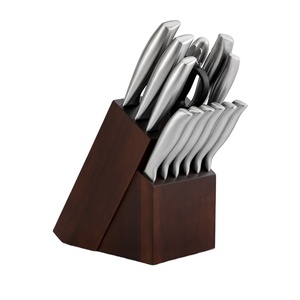
Knife Sets, German Stainless Steel Kitchen Knife Block Sets with Built-in Sharpener Scissors 14pcs
Get Catalog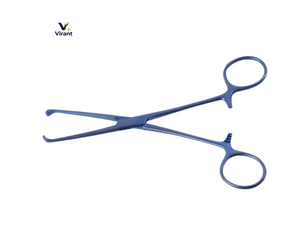
Virant Basic Veterinary Instrument Set Manual Reusable German Stainless Steel Surgical Kits CE ISO13485 Approved Class I 1 Year
Get Catalog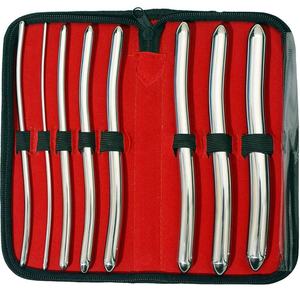
Hegar Uterine Dilator Sounds Double Ended 8 Piece Set in Stainless Steel Customizable Gynecology Urethral Surgical Instruments
Get Catalog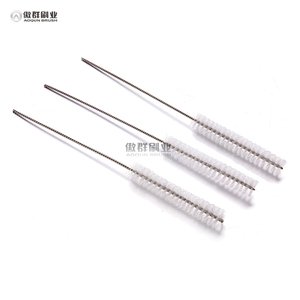
Fistula Brush for Surgical Purposes Tracheostomy Tube Brush Medical Tube Cleaning Brush
Get Catalog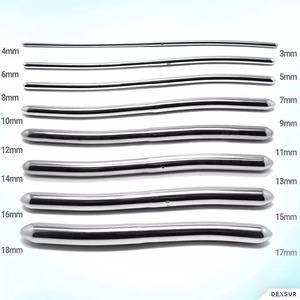
Surgical Hegar Uterine Dilator Sounds Set of 8 Pieces Gynecology Diagnostic Instruments Non Magnet Dilator Set Stainless Steel
Get Catalog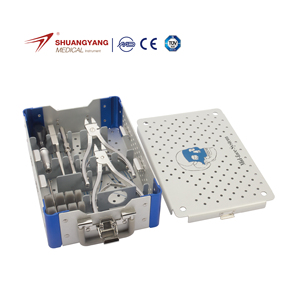
Shuangyang OEM & ODM Available Maxillofacial Instruments Kit For Facial Bone Surgery And Craniofacial Surgical Procedures
Get Catalog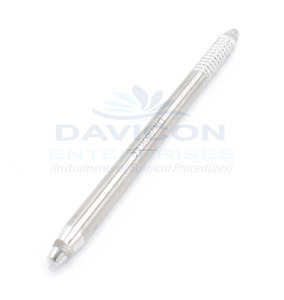
Dental Mouth Mirror Handle Stainless Steel Reusable Dental Examination Mirror Handle for Clinic Use
Get Catalog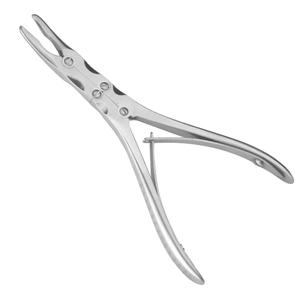
Surgical Instrument Bone Rongeur Stainless Steel Orthopedic Bone Cutting Forceps Double Action Reusable Instrument Set Manual
Get CatalogEngineering Excellence: Why Mexican Hospitals Are Transitioning to PVD Titanium Nitride Coated Surgical Instrumentation
In the modern surgical room, instrument durability, tactile feedback, and friction reduction directly influence procedural accuracy and long-term capital expenditure efficiency. As Mexico’s healthcare infrastructure undergoes rapid modernization across both public entities (such as IMSS, ISSSTE, and PEMEX) and expanding private hospital networks (including Grupo Ángeles, Star Médica, and Christus Muguerza), biomedical engineering departments are increasingly mandating specialized surface treatments for high-use surgical instruments.
Traditional stainless steel surgical tools, while resilient, remain susceptible to surface galling, micro-abrasion wear, edge dulling, and glare-induced eye fatigue under intense LED surgical illumination. The introduction of Physical Vapor Deposition (PVD) Titanium Nitride (TiN) and Titanium Aluminum Nitride (TiAlN) coatings represents a fundamental technological upgrade, delivering high biological inertness, extreme surface hardness, and superior chemical passivation.
| Performance Specification | Standard Passivated AISI 420 Steel | Tungsten Carbide (TC) Inserts | PVD Titanium Nitride (TiN) Coated |
|---|---|---|---|
| Surface Micro-Hardness | 500 - 600 HV | 1,400 - 1,600 HV | 2,300 - 2,500 HV |
| Coefficient of Friction (Dry Steel) | 0.70 - 0.80 | 0.50 - 0.60 | 0.30 - 0.35 (Low Friction) |
| Operating Room Glare Reduction | Low (High Reflection) | Moderate (Gold Handles Only) | High (Matte Champagne/Golden Hue) |
| Autoclave Resistance (134°C Steam) | 500 - 800 Cycles | 1,200 - 1,500 Cycles | 3,000+ Cycles without Flaking |
| Cytotoxicity & Biocompatibility | Standard ISO 10993 | Standard ISO 10993 | Ultra-Inert Oxide Layer (TiO2) |
Clinical Application Scenarios Across Mexico's Regional Healthcare Sectors
From high-altitude urban surgical hubs to humid coastal medical centers, titanium-coated surgical tools offer specific operational advantages adapted to Mexico’s diverse clinical environments.
Maxillofacial & Craniofacial Surgery
In major traumatology centers across Mexico City (CDMX), Guadalajara, and Monterrey, titanium-coated maxillofacial kits provide non-glare precision when placing micro-plates. The low-friction TiN layer prevents bone dust adhesion on drill guides and plate benders, preserving critical tactile feel during complex facial reconstructive procedures.
Coastal & Tropical Zone Sterilization Protection
Coastal hospitals in Veracruz, Yucatán, and Sinaloa face elevated ambient humidity and saline exposure, accelerating surface oxidation on standard surgical steel during storage. The inert PVD titanium oxide barrier provides an impenetrable shield against pitting corrosion caused by harsh saline rinses and high-humidity autoclave storage conditions.
High-Volume Orthopedic Bone Rongeurs
Double-action Kerrison and Stille-Luer bone rongeurs utilized in busy public orthopedic departments (such as IMSS Traumatología) undergo thousands of bone-cutting cycles monthly. Titanium nitride coating on mechanical pivot joints and cutting tips eliminates metal friction wear, extending instrument sharpness up to 4x compared to untreated steel.
Mexico Healthcare Sourcing Trends & COFEPRIS Compliance Landscape
1. Nearshoring & Manufacturing Shift
With Mexico emerging as North America's premier medical device assembly hub (notably in Baja California, Chihuahua, and Nuevo León), local procurement managers require supplier partners capable of producing high-volume OEM instrument components. Chinese exporters providing certified titanium-coated blanks and completed hand instruments enable Mexican distributors to maintain high margins while meeting stringent US-Mexico-Canada Agreement (USMCA) quality metrics.
2. Regulatory Standard: NOM-241-SSA1-2025
Mexico's Federal Commission for the Protection against Sanitary Risks (COFEPRIS) strictly enforces NOM-241-SSA1-2025 regarding Good Manufacturing Practices (GMP) for medical devices. Foreign suppliers must provide comprehensive material mill test certificates (ISO 10204 3.1), passivation validation reports (ASTM A967), and ISO 13485 certification to support local registration dossiers (Registro Sanitario).
3. Modernization of Public Tenders (LAASSP)
Under the Law on Acquisitions, Leases and Public Sector Services (LAASSP), public tenders published by INSABI and IMSS-Bienestar increasingly prioritize "Total Cost of Ownership" (TCO) over initial unit purchase price. Titanium-coated reusable instruments, with their extended lifespan and reduced sharpening requirements, consistently score higher technical ratings during tender evaluations.
4. Growth of Private Medical Tourism
Private hospital clusters in border cities (Tijuana, Mexicali, Ciudad Juárez) and tourist hubs (Cancún, Puerto Vallarta) cater to international surgical patients. Operating rooms in these facilities favor aesthetic champagne-gold titanium-finished instruments that reflect modern, premium clinical infrastructure to visiting surgeons.
Why Top Mexican Importers Partner with Our Precision Manufacturing Facilities
Combining 50+ years of metallurgical craftsmanship with state-of-the-art PVD coating technology to deliver zero-defect surgical instruments directly from China to Mexico.
German-Grade Steel Selection
We exclusively utilize premium AISI 420 and 440 martensitic stainless steel imported to strict chemical specifications (Chromium 12.5-14.5%, Carbon 0.15-0.40%). This guarantees optimal core elasticity, high tensile strength, and exceptional tip hardness post-heat treatment.
In-House PVD Magnetron Sputtering
Unlike third-party plating shops, our facility operates cleanroom PVD coating chambers. Titanium Nitride is deposited at temperatures up to 450°C under high vacuum, creating atomic-level ionic bonding that prevents peeling, cracking, or flaking during ultrasonic bath cleaning.
Rigorous QA & Passivation Testing
Every production batch undergoes 100% manual microscopic tip inspection, boiled-water corrosion tests (ISO 13402), and mechanical endurance trials. All instruments carry permanent laser etching detailing catalogue numbers, steel grades, and lot numbers for complete traceability.
Frequently Asked Questions by Mexican Medical Buyers
Essential guidance regarding shipping, regulatory clearance, custom labeling, and payment terms for imports into Mexico.
We supply a complete technical dossier including ISO 13485:2016 certificates, CE Mark Declarations of Conformity, FDA registration codes, ISO 10993 biocompatibility test summaries, and raw material chemical analysis reports (Certificate of Analysis - CoA) signed by our quality managers.
Surgical hand instruments are generally cleared under HS Code 9018.90.99 (Otros instrumentos y aparatos de medicina o cirugía) or HS Code 9018.49.03 for dental hand tools. We assist your Agente Aduanal with precise commercial invoices and packing lists to ensure seamless clearance at customs posts in Manzanillo, Veracruz, or Mexico City Airport (AICM/AIFA).
Yes. OEM private labeling is a core service. We offer high-precision fiber optic laser etching for distributor brand names, custom internal catalog reference numbers, GS1 DataMatrix barcodes, and specific hospital ward identification markings at zero additional fee for standard MOQs.
Standard catalogue orders are manufactured and passivated within 2 to 4 weeks. Custom OEM projects require 4 to 6 weeks. Freight choices include door-to-door express courier (DHL/FedEx, 4-7 days), air cargo to CDMX/GDL/MTY (7-10 days), or sea container shipping to Manzanillo or Veracruz (25-35 days).
Our PVD TiN titanium coating is thermally stable beyond 600°C, easily exceeding standard steam autoclave parameters (134°C / 2.1 bar for 18 minutes per EN 285). The molecular bond prevents discoloration, micro-blistering, or peeling even when subjected to harsh enzymatic detergents.
For standard catalogue items, MOQs start at 50 pieces per pattern. Complete procedural sets (e.g., Hegar Uterine Dilator sets or Maxillofacial sets) start at 20 kits. OEM volume tier discounts apply automatically from 500 units per line item.
Equip Your Hospital Network or Distribution Portfolio with Certified Titanium Instruments
Access detailed technical specification catalogs, request physical pre-production samples for hospital evaluation, and obtain direct factory pricing tailored for the Mexican market.